qatsi: (Default)
Glossing over the bad bits of the year, here are my highlights.


No food and drink award this year.

Honourable mentions for:
The Noh Mask Murder and The Midnight Library (fiction); Sapiens and Logopolis (The Black Archive) (non-fiction); Red Priest at Reading Town Hall (unblogged), Hesperion XXI at the Barbican, and the Leipzig Gewandhaus Orchestra at the Proms (music); and Hiroshige at the British Museum, the Willy Brandt Haus at Lubeck, the Komponenistenquartier at Hamburg and the Kunsthalle at Bremen, and the Doctor Who exhibition at Peterborough Museum (unblogged) (exhibitions).

May 2026 be an improvement. Easier in some ways than others.
qatsi: (baker)
At last, a return to northern Europe, although we decided Hamburg was far enough to justify a flight over Eurostar.

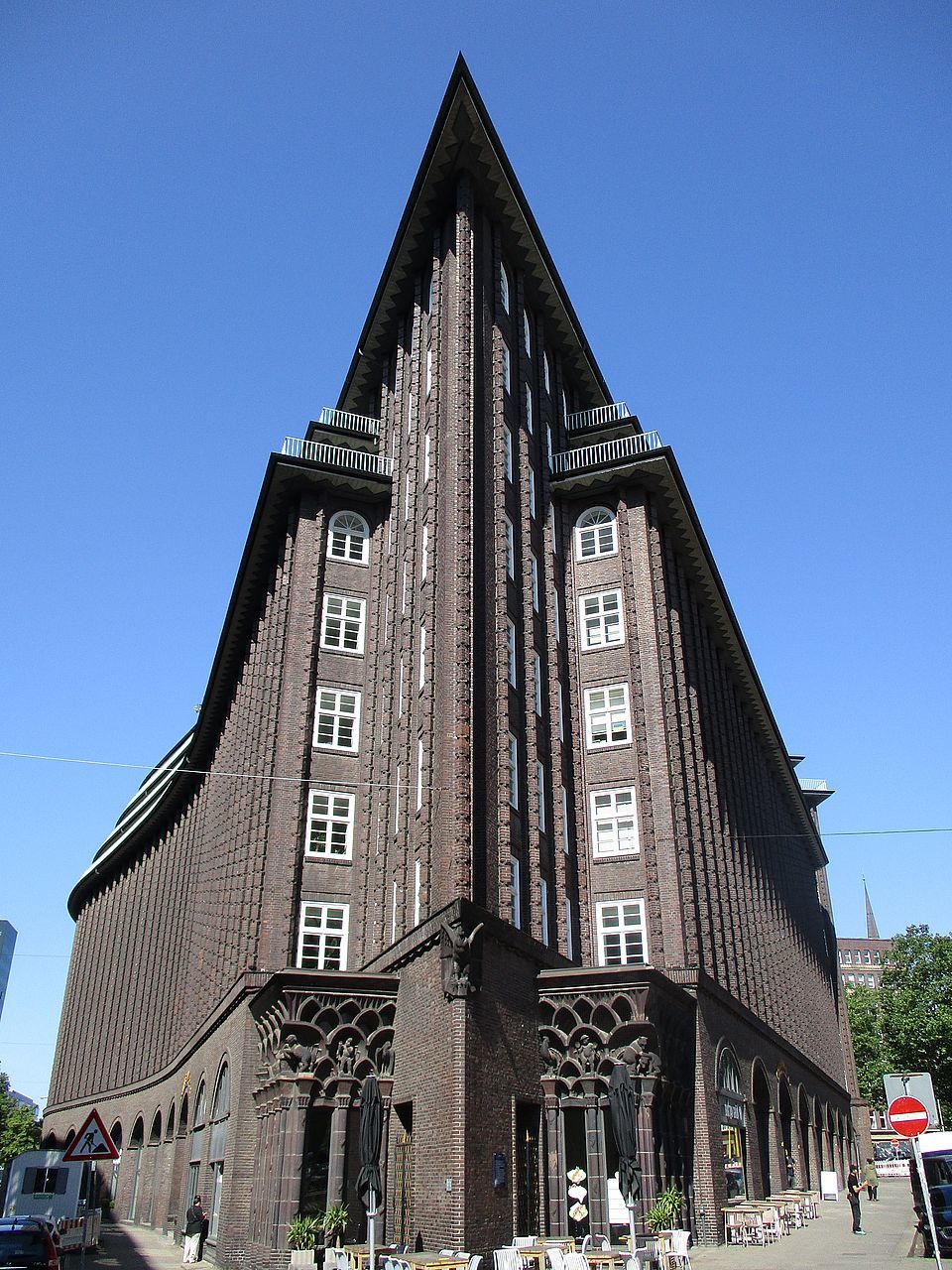
Saturday 14th: It's a prompt start but not an absurdly early one. The traffic is light and we get to the pre-booked parking on time. At Terminal 5 the baggage drop for our flight has not quite opened. The flight is a bit delayed but overall it's nothing to be that bothered about. There's an AI fail when Google tells us that Hamburg public transport operates a contactless TfL-style system; it's not true. But the ticket machines take card payments and the S-Bahn is efficient, if busy. After check-in at the hotel we take a wander around the city centre.
Chilehaus, HamburgSprinkenhof, Hamburg

Chilehaus; Sprinkenhof


Sunday 15th: This is the one day with a poor weather forecast, so a good choice for indoor visits. We begin at the Kunsthalle, which has a newly-opened exhibition on surrealism. The works are interspersed across several floors, together with the permanent collection. Later we visit the Museum für Kunst un Gewerbe.
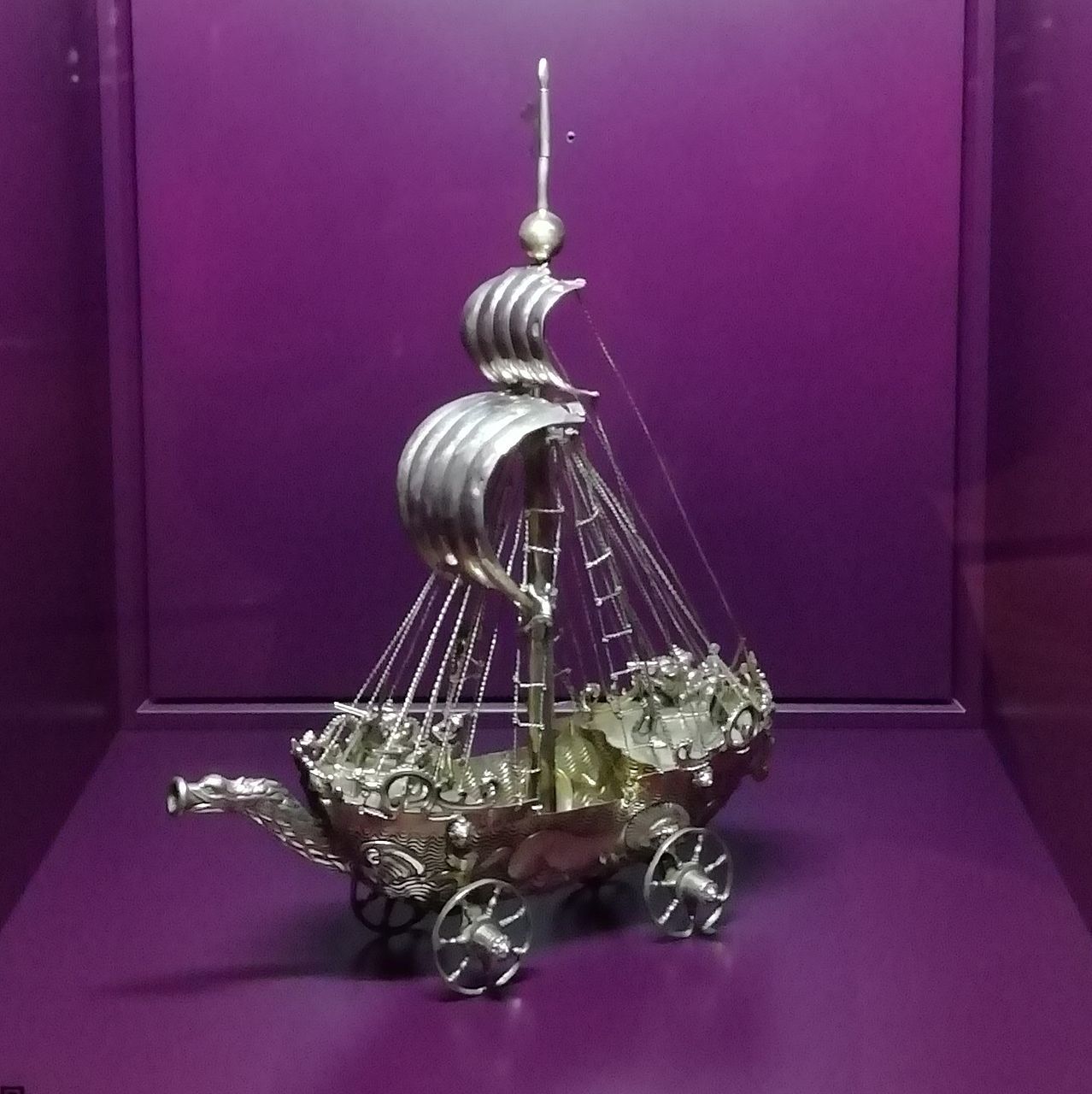
From the Kunst Cabinet, Museum fur Kunst und Gewerbe, Hamburg

Model Ship at the Museum fur Kunst un Gewerbe


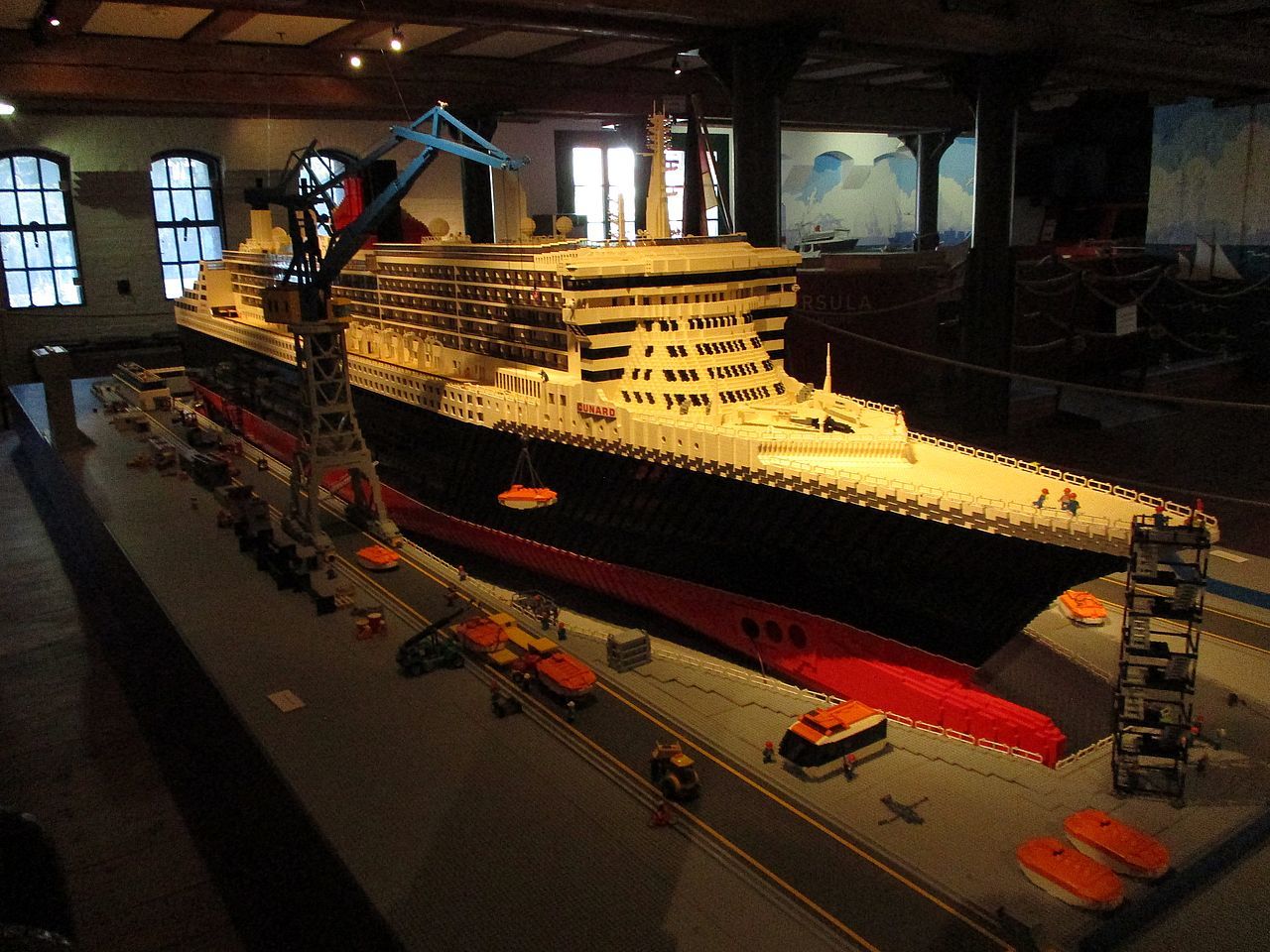
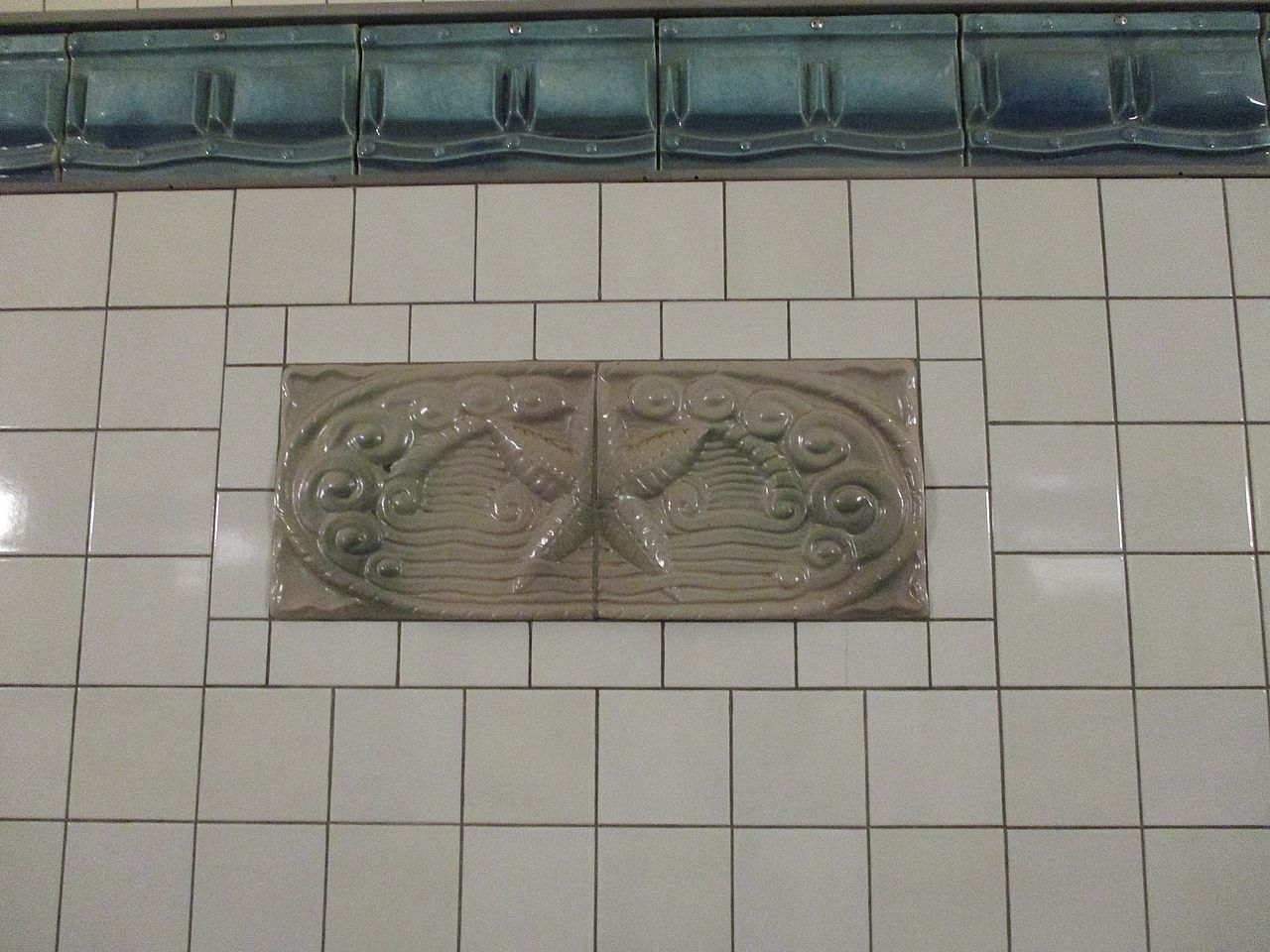
Monday 16th: Many museums are closed, so we choose carefully and go to the Maritime Museum. The collection is spread over nine floors and is indeed vast. So many model ships... but some are more interesting than others; my eye is caught particularly by the Polynesian catamarans. It feels perhaps that they acquired this space and then wondered how to fill it: Sections on sail shapes, ropes, materials, warfare, exploration, uniform, and art. After lunch we take in the St Nikolai Memorial; if the view from the tower is indifferent, the subterranean exhibition on the 1943 bombing raids and firestorm certainly makes an impression. Later we visit the Rickmer Rickmers, a rather odd iron-hulled sailing vessel from the late 19th century, and finally the Alter Elbtunnel, a pedestrian and bike tunnel under the river.
Lego Model of the Queen Mary 2 at the Maritime Museum, Hamburg

Lego model of the Queen Mary 2


Naval Enigma at the Maritime Museum, Hamburg

A 4-rotor Naval Enigma machine


Tiling in the Alter Elbtunnel, Hamburg

Tiling in the Alter Elbtunnel


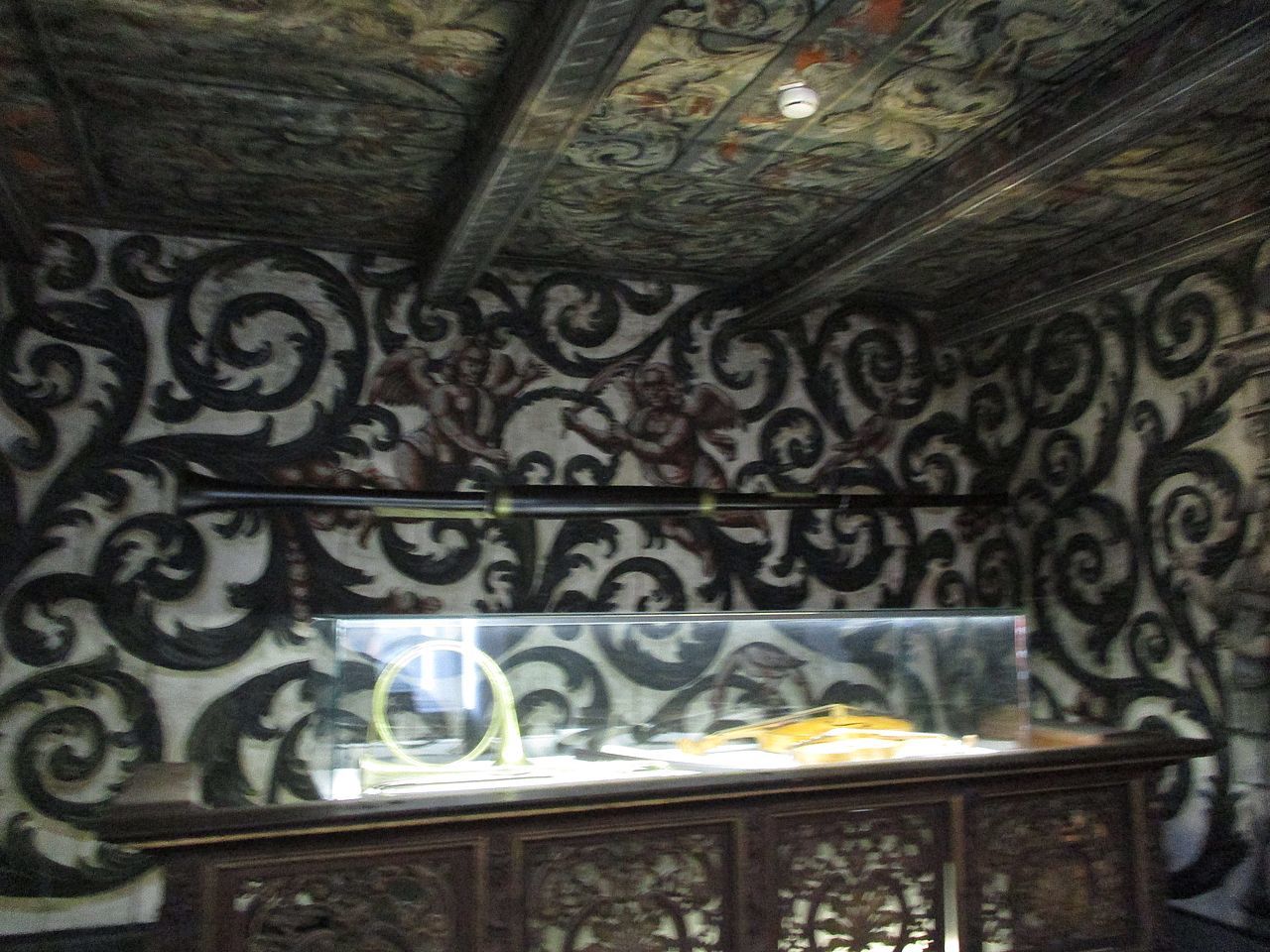
Tuesday 17th: After battling the Deutsche Bahn app, we set out for Lübeck. The St-Annen Museum is variable, but an extraordinary instrument is to be found within: a Great Bass Shawm, of which there are reckoned to be only five in existence (which justifies the rubbish photo, as it's unlikely I will ever see one again).
A Great Bass Shawm at the St Annen Museum, Lübeck

Great Bass Shawm


By lunchtime, I realise I can no longer deny that I'm feeling under the weather, but we carry on. The Günter Grass Museum isn't that interesting to me, but there's a surprise bonus that, at the rear, it is connected by a short garden to the Willy Brandt Haus, and that's more interesting. Finally we take in the Europäisches Hansemuseum, which is quite labyrinthine.

On return to Lübeck station, we board a train. It does not leave on time. After about 10 minutes, there is an announcement. We don't catch much of it but it's clear that it is not good news and it sounds like the emergency services are attending an incident at Reinfeld. Another half hour or so passes, without much information. Even the Germans are a bit restless by now. I check for other options and find we can catch a FlixBus about an hour later. We decide to book that; then I'm informed that the bus itself is running an hour late. There are a lot of people around and although people are trying to be helpful, no-one seems to have much idea what's going on. Rail replacement buses are mooted but there's no sign of them. We decide to stick with the booked bus and when it does arrive, eventually, we feel a bit calmer about getting back to base, but it's been less than an ideal day.

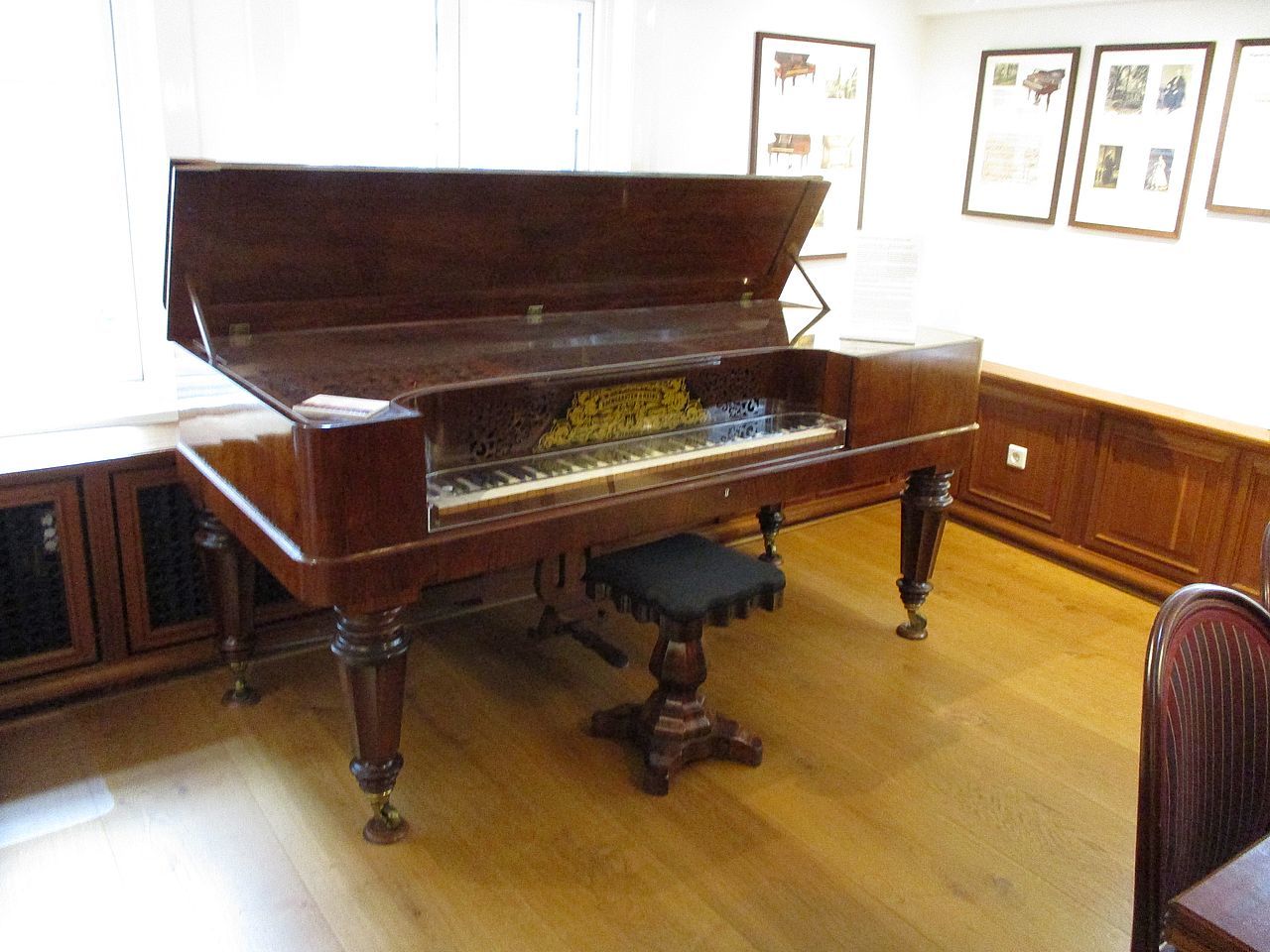
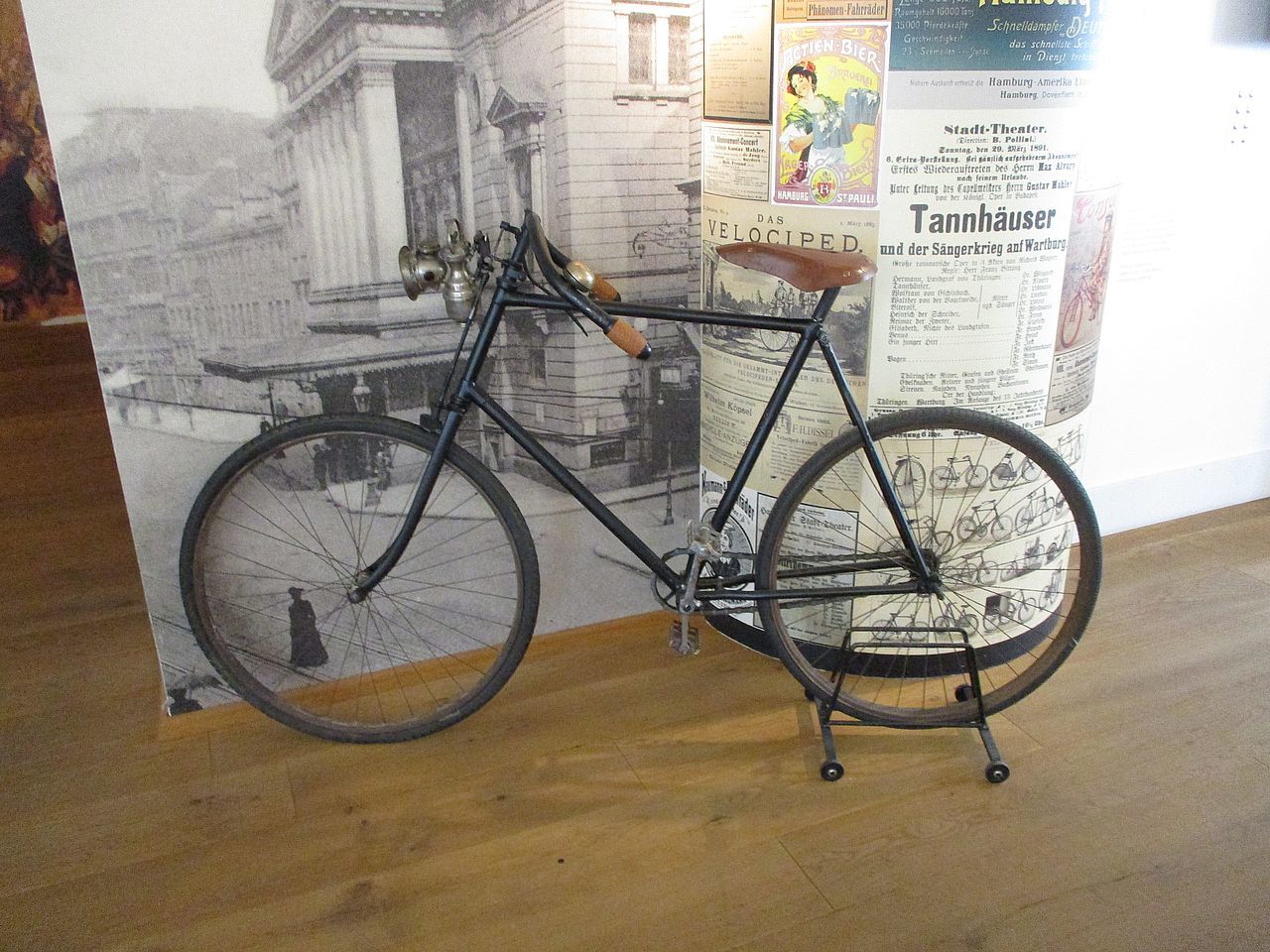
Wednesday 18th: After breakfast I take a Covid test and, unsurprisingly, the result is positive. There are no restrictions, but I feel there is an ethical dimension as well as the obvious selfish practical concerns. At least we brought FFP2 masks, so I'm using that indoors for the rest of the trip. We take a more leisurely pace and go to the Brahms Museum and the Komponenistenquartier, where we learn about Telemann, CPE Bach, the Mendelssohns, Mahler, and Johan Adolf Hasse. "Oh yes, everyone has forgotten about him", says the museum guide. I buy a CD to mark my discovery. In the afternoon it's the ethnographic museum MARKK Museum am Rothenbaum, which seems to feel woke enough to excuse some of its exhibits, but not enough to remove or reset them.
Brahms's Piano at the Brahms Museum, HamburgMahler's Bicycle at the Komponistenquartier Museum, Hamburg

Brahms's Piano; Mahler's Bicycle


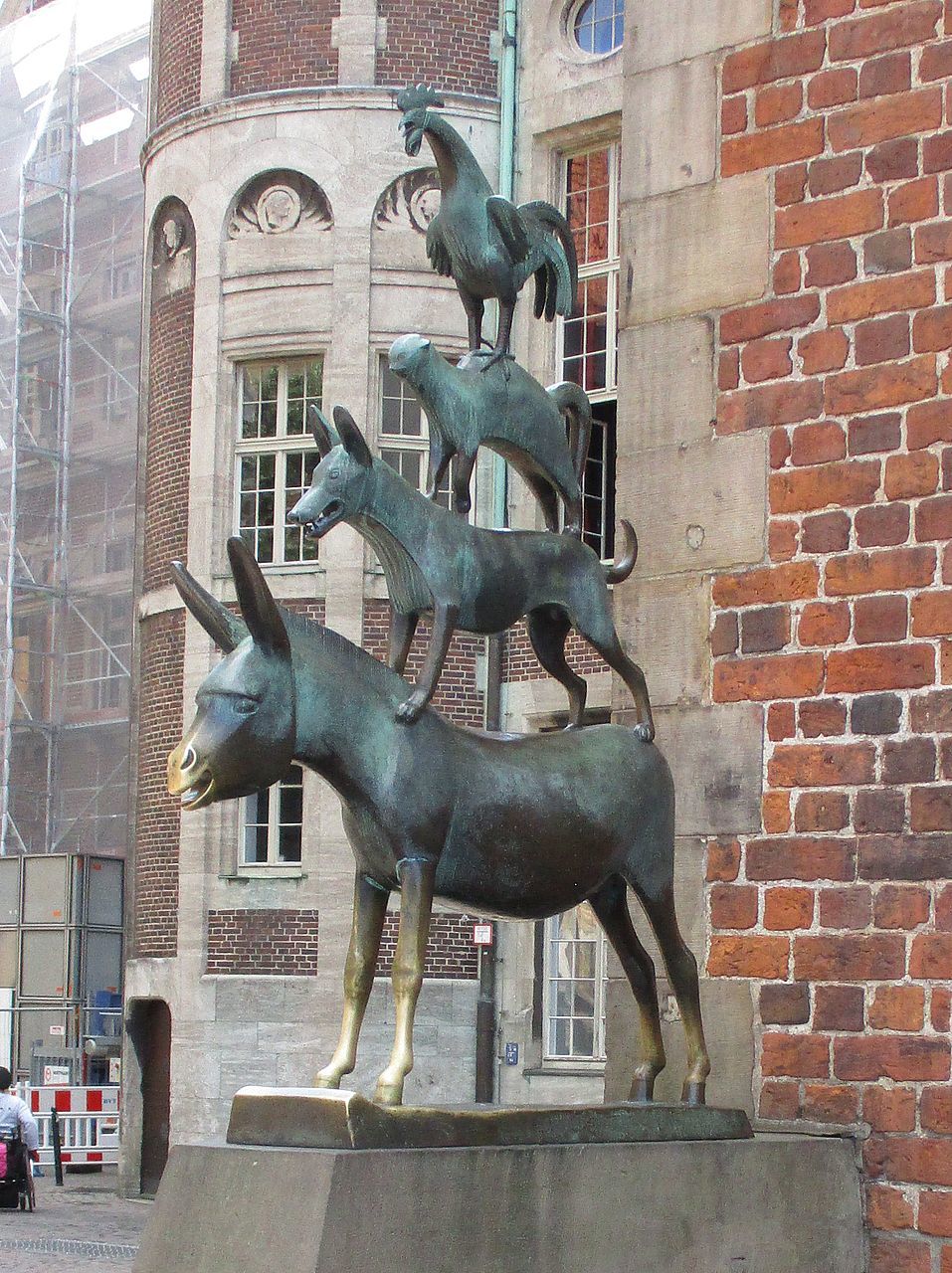
Thursday 19th: The worst of the fever is past, and we venture to Bremen. They say UK rail ticketing is Byzantine, but the Germans seem to be our equal; it's as if it was a different train operator. We wander around the town centre, and in the afternoon visit the Kunsthalle. As elsewhere, there are quite a lot of notices about how museums are trying to ensure the provenance of their works, and make any necessary restitutions of wartime-misappropriated works. Unusually, there's an interesting contemporary film running in the museum, of a concrete boat from the Third Reich, now abandoned and decaying on a sandbank. It seems an appropriate metaphor for the far right: ugly, rotten, but difficult to destroy.
The Musicians of Bremen

The Musicians of Bremen


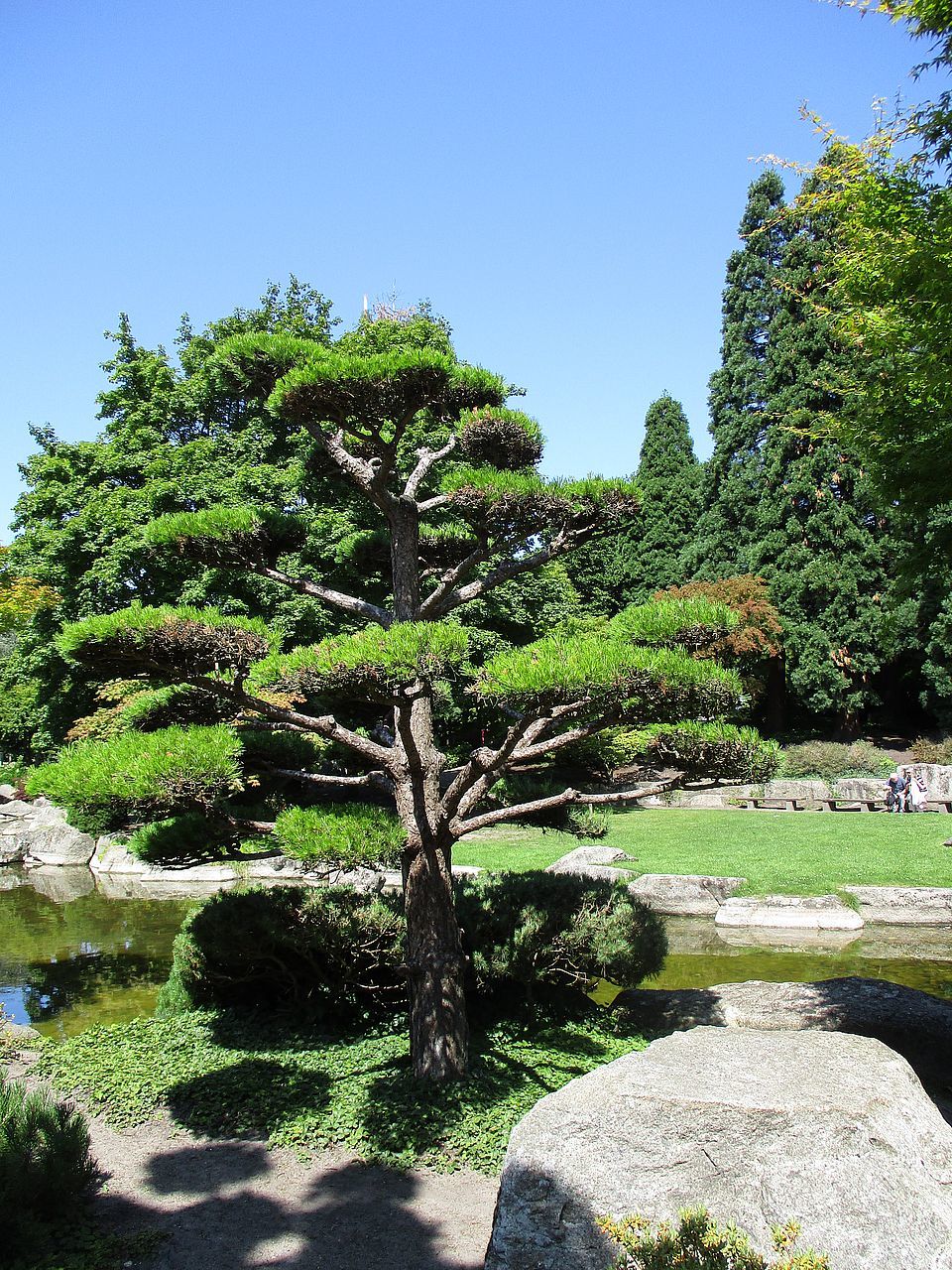
Friday 20th: R is now unwell too. Based on timing, I believe I contracted Covid on my last visit to London (there were an awful lot of coughing people on the train that day); it's possible I have passed it to him, but that seems quite quick after developing symptoms, and there were also people coughing on the plane. Anyhow, we wander around the city centre again in the morning, including a return to the Dammtorpark.
Japanischer Garten, Hamburg

Japanischer Garten


In the afternoon, we take a shorter trip to Lüneberg, which is pretty. The Nazi surrender took place at Lüneberg Heath, a few miles distant, and it's easy to imagine Monty turning up, saying "I say! This is a damned pretty spot. Let's have Jerry surrender here!" It probably wasn't quite as simple as that.
LünebergWine Merchant, Lüneberg

Lüneberg


Saturday 21st:A short morning in the city centre, before it's time to head back to the airport. The return flight is smooth, although the baggage reclaim at Terminal 5 takes more than an hour for reasons unknown.
qatsi: (Default)
It's time for an end-of-the-year post. Lots of things happened in 2024.

At last we got rid of the Tories, although Starmer seems almost as tone-deaf as his predecessor (in either government or party dimensions). It's true, of course, that things can't be fixed overnight, but he doesn't seem to do "hope" particularly well. Locally, the Tories lost the seat to Labour, with a disappointing Lib Dem result, although recently I reflected that perhaps we had taken some votes from the Tories, which would have been important in the final result. I suspect there are quite a few places where the margin of victory wasn't particularly high, and as a result the parliamentary landslide is shallow. Reform are emboldened by Trump's victory in the US and the Tories seem determined to track them rather than attract voters by returning to more central ground. I have the feeling this won't end well.

Given my post from last year, I should observe that since November we've been connected with full fibre. So far, so good. It turns out, in a repeat performance of digging up the roads, Virgin Media is also an option now. It seems everyone apart from BT/Openreach think it's worth laying fibre here. There might be regulatory reasons for that.

A friend, who is a few years older, retired early from their job, precipitated by changes to USS. It was bound to start happening at some point, but nonetheless it was a psychological jolt. For me, work has been a mixed bag and there are definitely some things I don't like about it. Over the holiday period I have been researching, planning and playing what-ifs with spreadsheets. I can't quite access my SIPP yet, but it's getting close enough that I think it's worth contacting Pension Wise in the new year, probably following up with real financial advice. Things would be a lot easier if I thought there were benign economic waters ahead in the next four years.

Anyway, here are some highlights from my year:


Honourable mentions for
The Devil's Flute Murders (fiction); The Subterranean Railway (non-fiction); The Britten Sinfonia and the Will Gregory Moog Ensemble at the Barbican, and Jonathan Scott's Organ Recital and two Kanneh-Masons at the Proms (music); One Life and Moonflower Murders (film, TV and theatre); MUZA in Valetta, the Tarxien Temples and the Ħal Saflieni Hypogeum (exhibitions and visits).

La Malte

Sep. 8th, 2024 02:06 pm
qatsi: (baker)
We agreed last year, that this year we would holiday in northern Europe, ideally in a location reachable by Eurostar. So it was inevitable that instead we would spend a week in Malta.

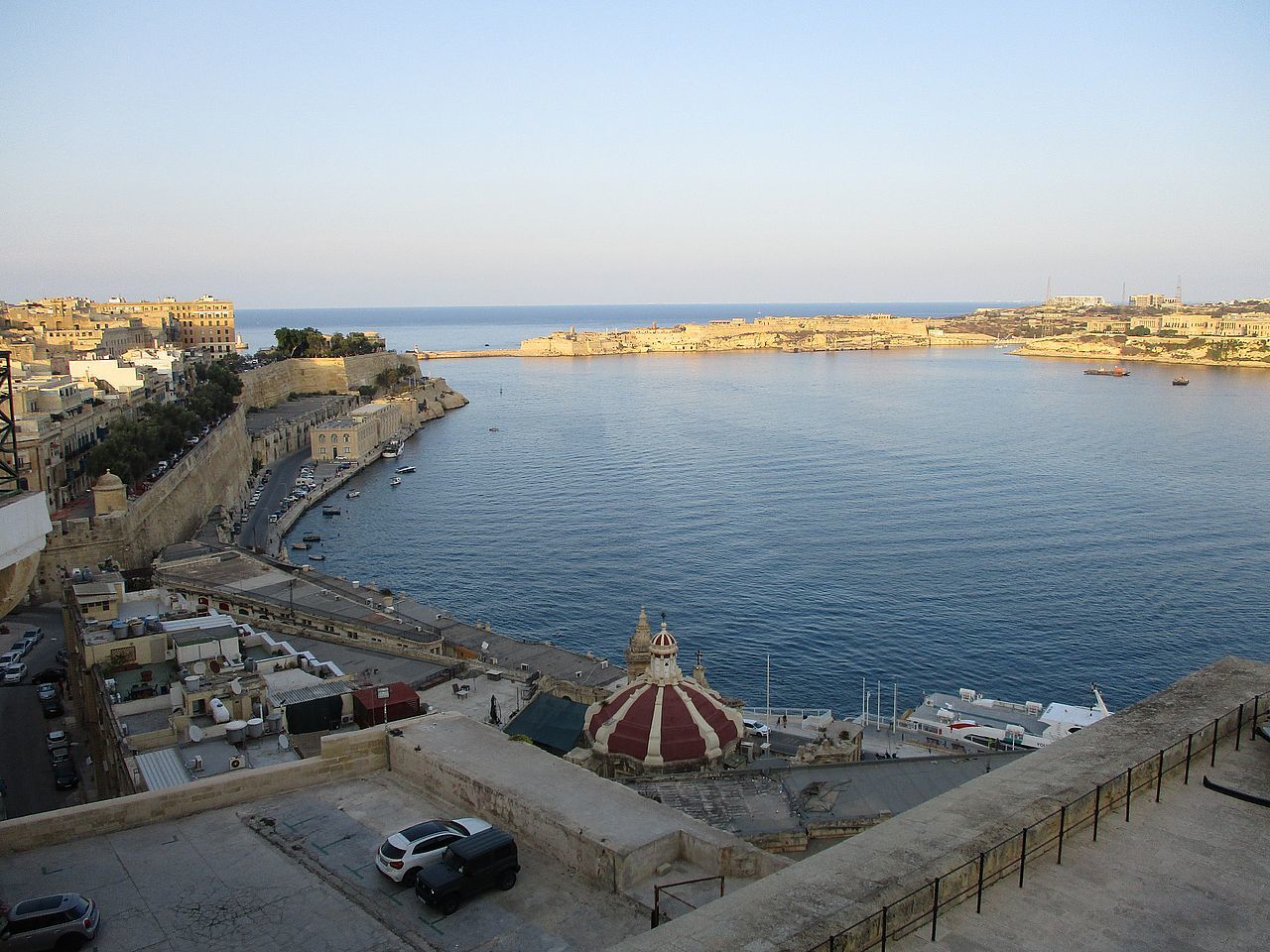
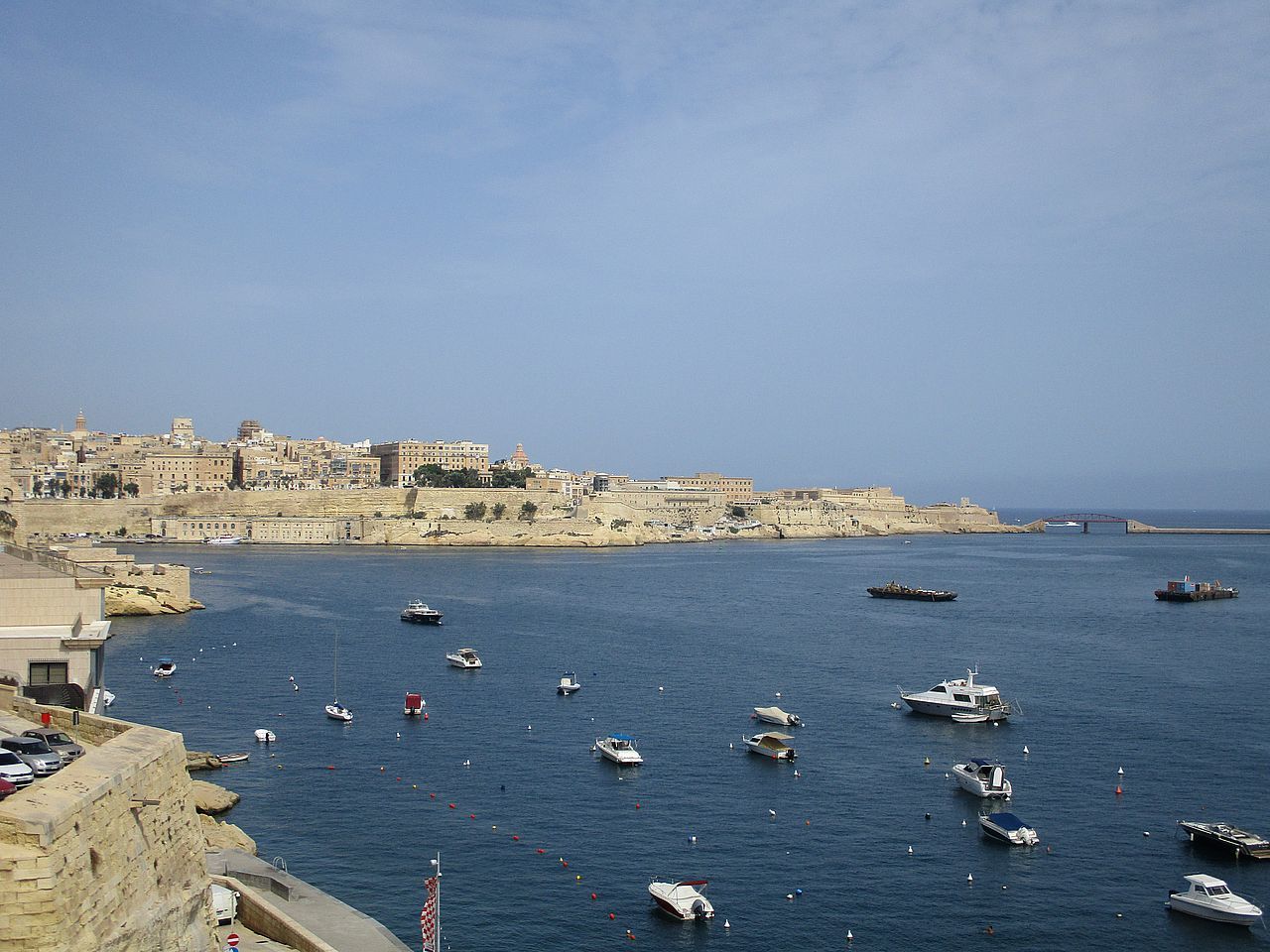
Monday 2nd: Our flight departs from Heathrow Terminal 4. We arrive at our usual parking provider, only to be told we have in fact booked the "Meet and Greet" service, and need to go to the terminal instead. Fortunately we have allowed plenty of time. I feel they could have accepted the car there anyway, as it is probably stored in the same place for the week. I always find Heathrow a bit of a nightmare, but once we are through security everything progresses smoothly. It is a 3 1/2 hour flight. The first bus from the airport terminal is already pretty full and we can't get on, not helped by another bus occupying the expected space and a French party usurping any semblance of a queue. Anyhow, once we arrive in Valetta it's fairly straightforward to find our hotel - just as well, given the heat and humidity. We explore a little of Valetta, including the Upper and Lower Barrakka gardens. There seem to be a plethora of commemorative stones erected by military colleagues to the fallen over the centuries, and more recent memorials expressing solidarity with the people of the Hungarian and Czechoslovakian uprisings in the 1950s and 1960s.

The Grand Harbour from the Lower Barrakka Gardens, Valetta
The Grand Harbour from Valetta


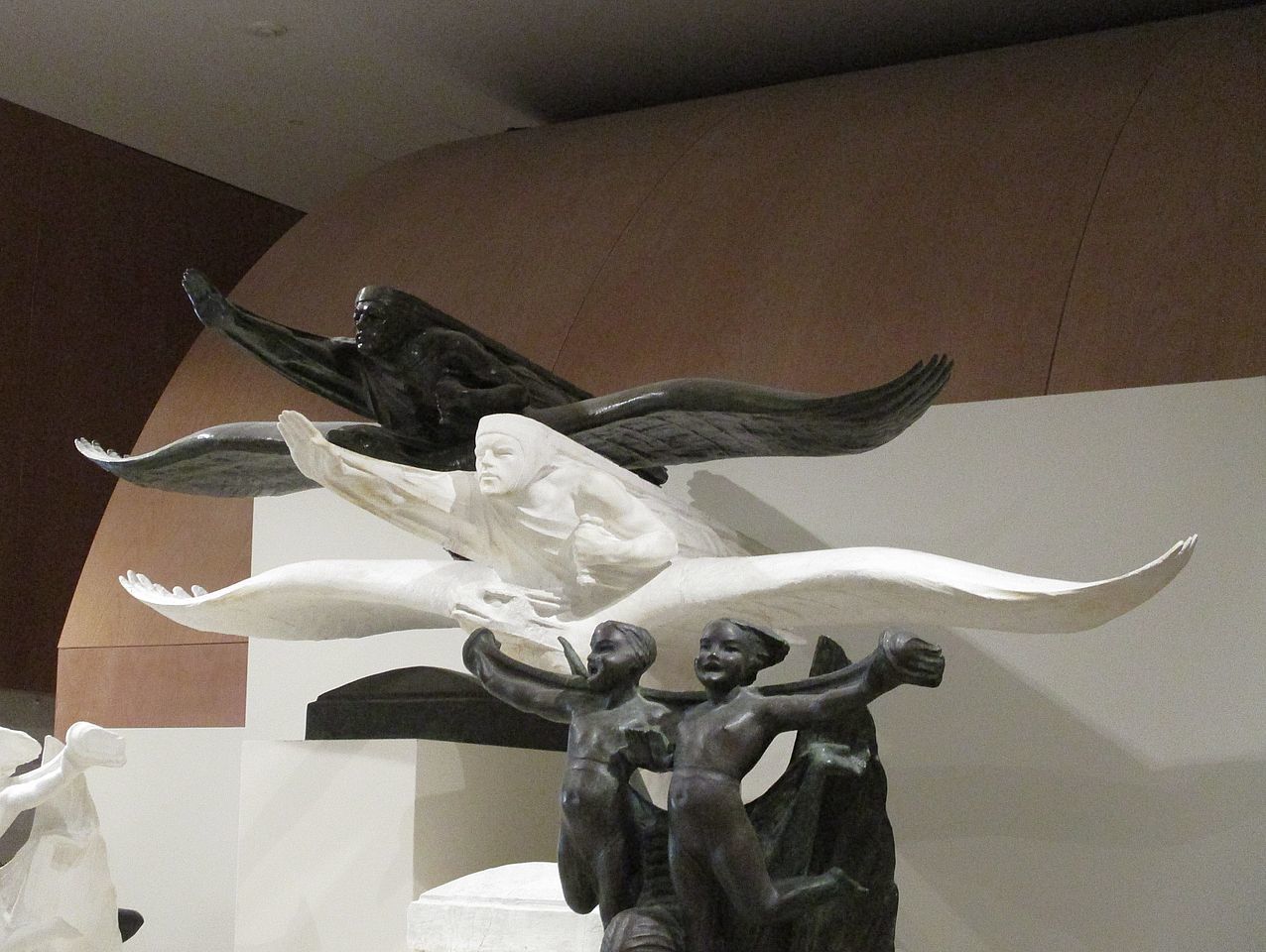
Tuesday 3rd: We begin at St John's Co-Cathedral. For some time there is concern about R's camera lens; it turns out that the contrast between the aggressive air conditioning in the hotel and the ambient conditions has caused some condensation, which take a while to clear. We move on to the Grand Master's Palace, and then the National Library. In the afternoon we visit the National Community Art Museum, which turns out to be larger and more impressive than might be expected. There are echoes of futurism and/or fascism in some of Antonio Sciortino's sculptures inspired by Charles Lindbergh. In contrast, the Archaeological museum is larger on the map and although interesting, it takes less time.

Sculptures by Antonio Sciortino, inspired by Charles Lindbergh
Futurism at MUZA, Valetta


Wednesday 4th: We take a trip on the fast ferry to Gozo. The Internet was not entirely clear about this, as vehicle ferry services were more prominent and require pre-booking, but the passenger ferry was quite straightforward. We visit the cathedral and citadella museums in the complex at Victoria / Rabat.

Citadella complex, Gozo
Cathedral and Citadella complex at Victoria / Rabat, Gozo


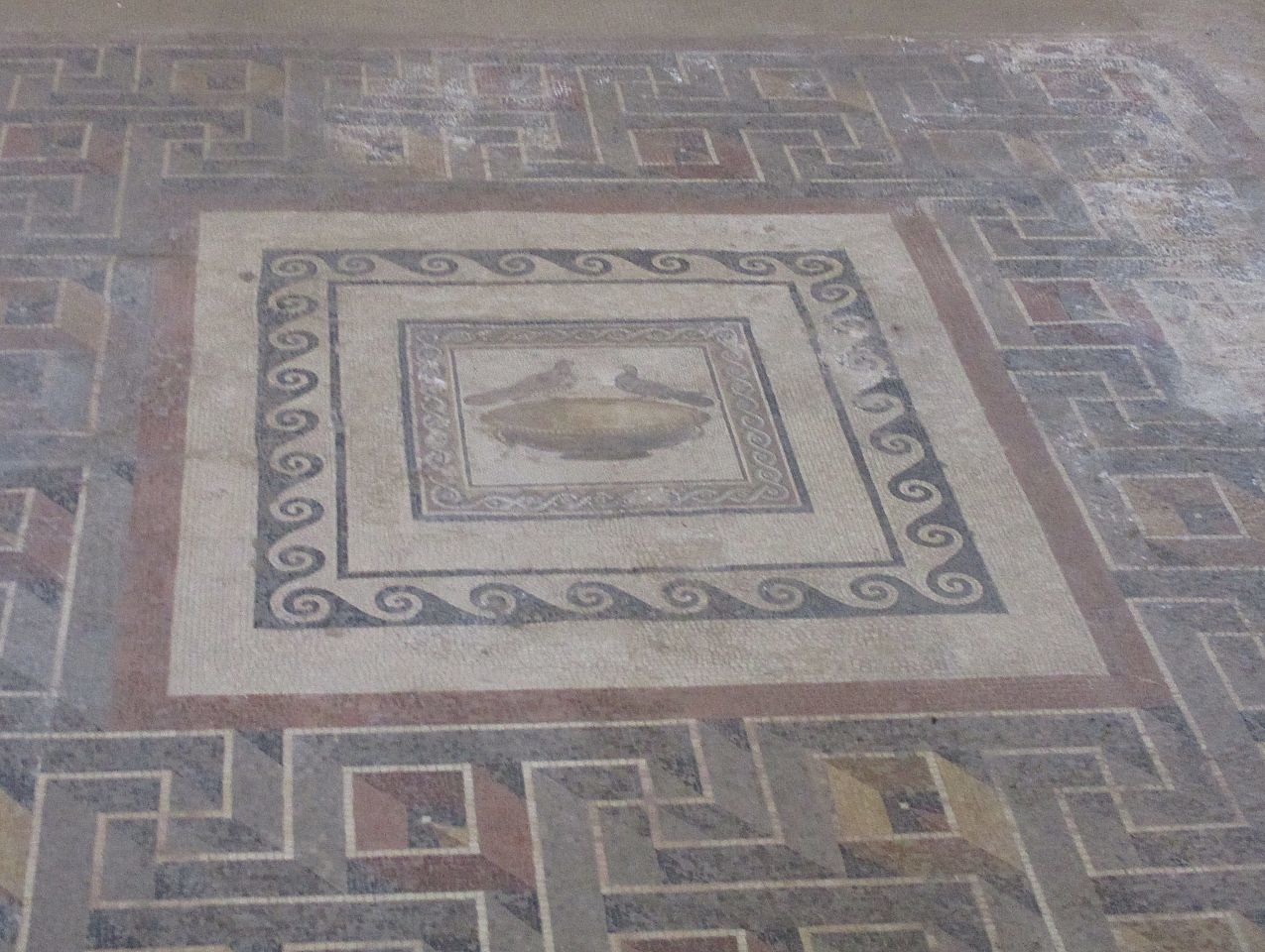
Thursday 5th: We take the bus to Mdina / Rabat. The Domus Romana is just across the road from the bus stop, and it's our first encounter with Sir Themisocles Zammit, surely a name one could not make up. It's not a huge site, but it is interesting nonetheless. We move on to St Paul's Catacombs, Cathedral, Palazzo Falson, Casa Gourgion (an interesting museum although I can't do justice to the animated TV screens in Old Master picture frames), and the Wignacourt Museum.

Mosaic at the Domus Romana, Mdina
Mosaic at the Domus Romana, Mdina / Rabat

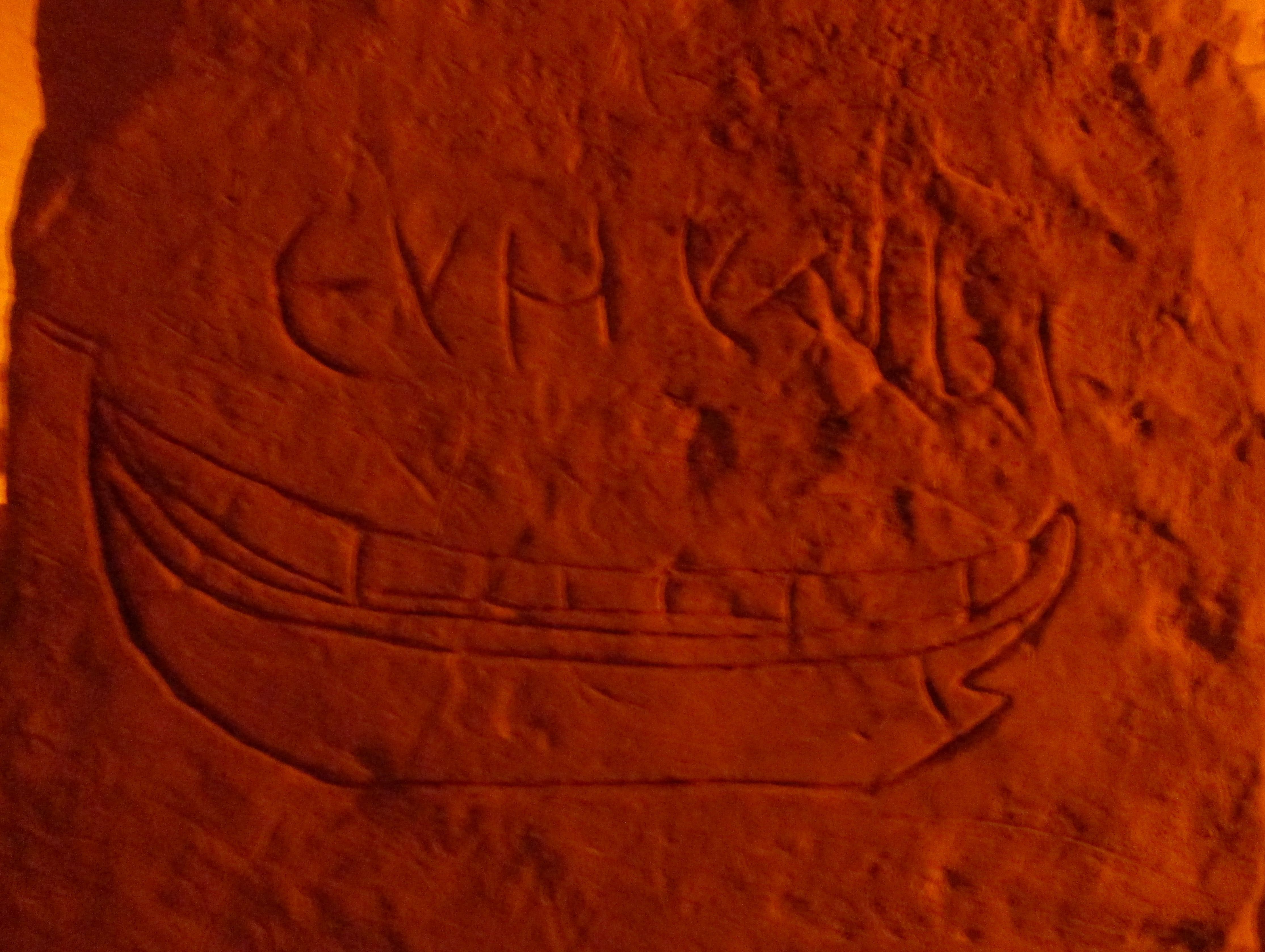
Boat in St Paul's Catacombs, Rabat


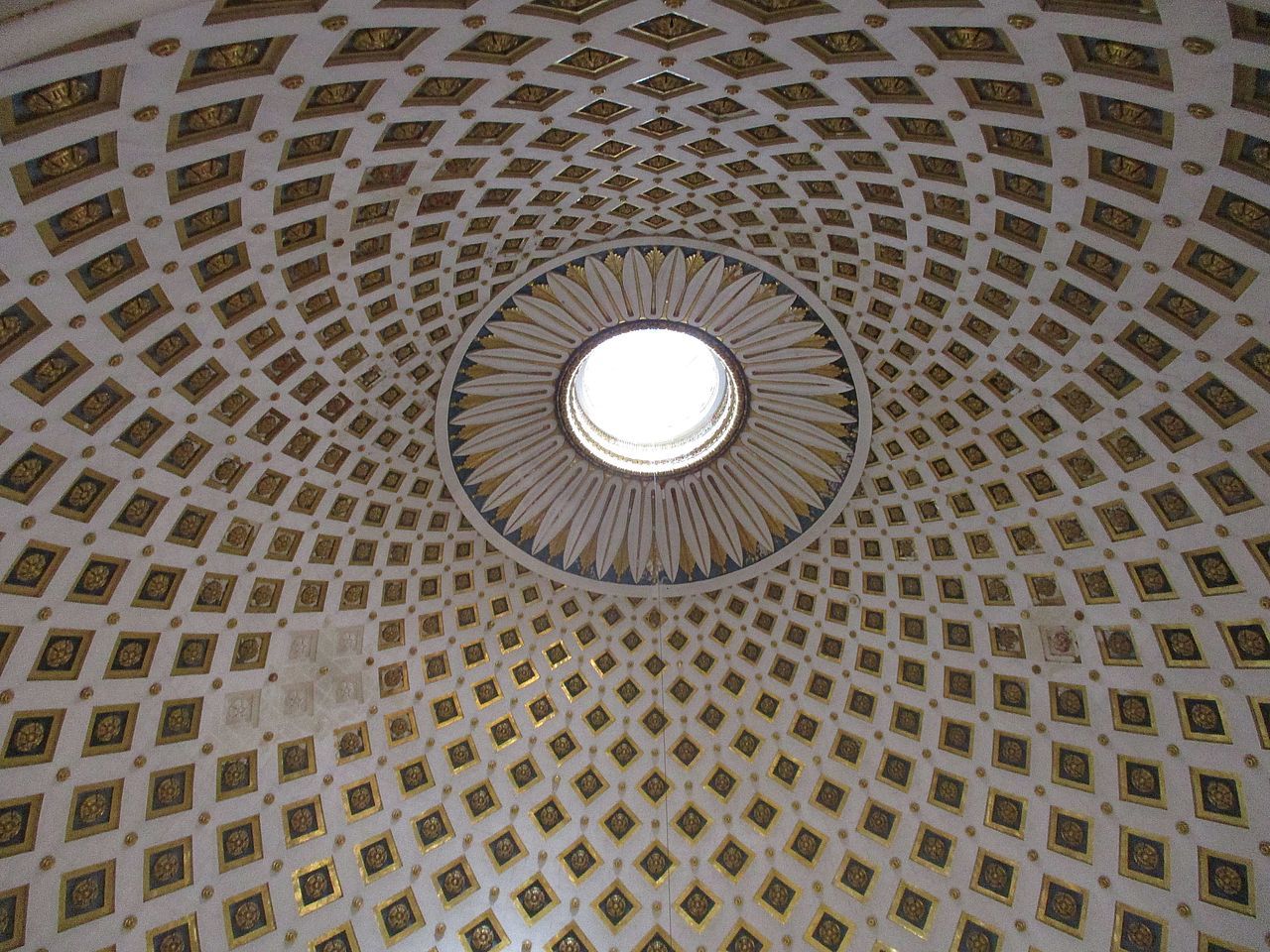
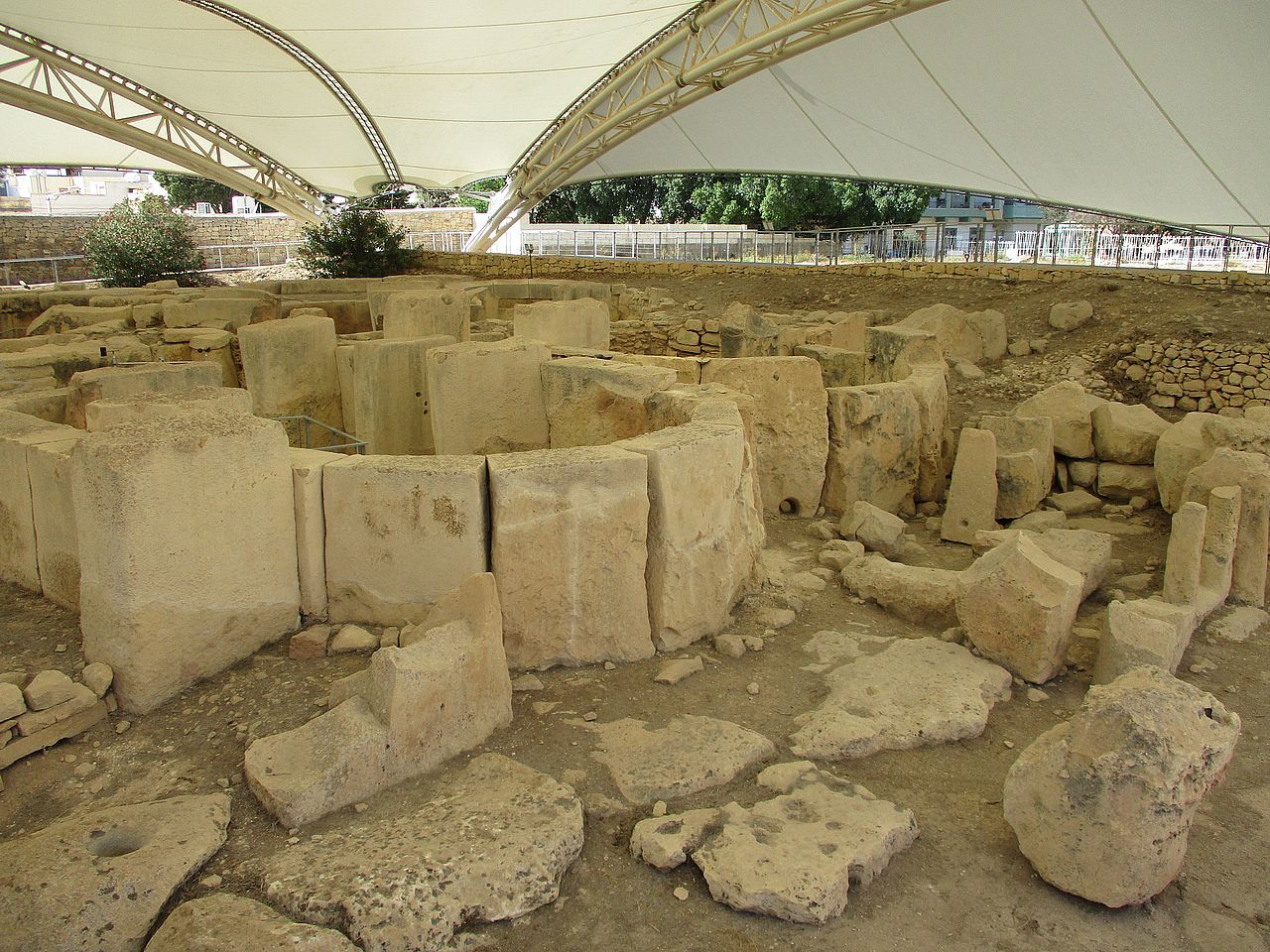
Friday 6th: The St Catherine's Monastery and Garden is a calm place to start the day. Later we're using the buses again, first to Mosta for the Rotunda, based on the Pantheon, and in the afternoon to the temples at Tarxien. Finally, with advance planning we have tickets to visit the Ħal Saflieni Hypogeum at the end of the day. The audio guide is mandatory and has some irritating sound effects, but it doesn't detract from the visit, and has the honesty to say that we just don't know a lot of what went on at these truly ancient remains.

Mosta Rotunda Dome
Mosta Rotunda

Tarxien Temples
Tarxien Temples


7th: We begin our final day with the ferry to the Three Cities. In practice we have noticed that all of Malta is pretty much a continuum of settlement, and the naming is somewhat arbitrary. We visit the Inquisitor's Museum and admire the view across the Grand Harbour in the reverse direction, to Valetta. On our return we take in Casa Rocca Piccola. Ramiro Calì's painting Electricity fuses ancient and modern in its own curious way.

Valetta from The Three Cities

Electricity, by Ramiro Calì, at the Casa Rocca Piccola, Valetta
Electricity


Then it's back to the airport, and the return flight is straightforward, and although there is heavy traffic at Terminal 4 we're home at a civilised hour. Overnight the thunder in the UK reminds me of the regular gun battery firing in Valetta.

The Maltese were friendly and helpful; perhaps an advantage of English being an official language. The food was always served in generous portions - the quality varied but Aaron's Kitchen and Ambrosia were both particularly good. We discovered Kinnie and - by extension - Kinnie Spritz. If we had stayed longer, there were other things we could have done, but the heat and humidity really did discourage over-exertion.
qatsi: (Default)
I suppose 2023 was officially normal. It was the year Sunak took every opportunity to stay in the gutter when he had a choice to make. Wouldn't it be nice if the rivers weren't full of raw sewage, all the medics weren't on strike and the trains ran on time? It's the little things. Personally, broadband not working for nearly a month, catching covid for a second time, and having the gas hob condemned, was just indicative of the state of the country as a whole. (On the plus side, we now have a nice new induction hob, with which I am very happy; fibre has been laid in the village and I am contemplating the upgrade, although as it is not Openreach we do not have a choice of supplier). The media is talking up a 2024 general election for the UK (well, given January 2025 is the last possible date I suppose it's fairly inevitable). I wouldn't expect things to turn around overnight, but it would be nice to silence the dog whistles and make politics boring again.

Anyway, here are some highlights from my year:

Honourable mentions for
Silverview, The Underground Railroad, and Babel (fiction); British Rail, Venice, and Colditz: Prisoners of the Castle (non-fiction); Alma Mahler and Dora Pejačević, Isata Kanneh-Mason playing Prokofiev and Felix Klieser playing Mozart, and Finlandia and Snöfrid (music); The Herschel Museum, Bath, and Tyntesfield, and Italica, Seville (exhibitions and visits).
qatsi: (baker)
After some debate and negotiation, we decided on Seville for a summer holiday location this year. The late positioning of the Max Richter Prom was awkward for scheduling, but frankly going to southern Europe earlier in the summer would have been madness.

Thurs 7th: After breakfast, we head off to Gatwick. Fortunately I did print my boarding pass as I struggle to get the self-service bag drop to accept my phone; later I find the auto-rotate setting which I think may have been causing the PDF to flip as I turned the phone upside-down. Everything else accepts the phone version, although my phone also needs to have the magic wand waved over it at security. The flight and arrival seem fairly straightforward, but it is early evening and so there isn't much to do other than adjust to the habit of eating late.

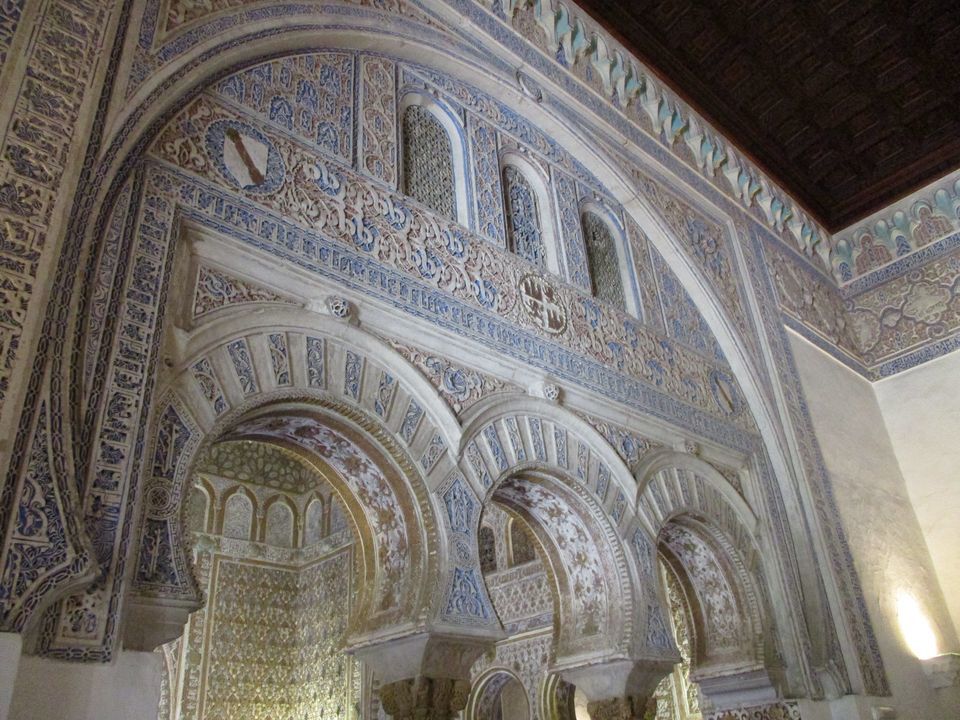
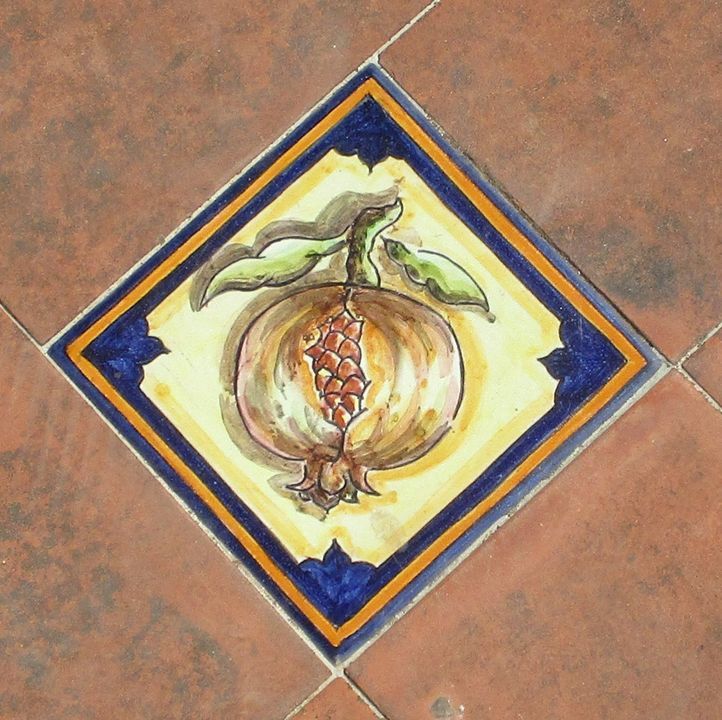
Fri 8th: We begin with the Alcazar at Seville. It is the first of a handful of destinations where the requirement to book specific time-slots is apparent, but we are only postponed by about an hour, so there is time for a bit of wandering around. The venue is impressive and the tiling is ubiquitous. Later in the afternoon we reach the monumental Plaza de España, built for one of the trade fairs that has been hosted in the city over the years. (This one was held months before the Wall Street crash of 1929). I notice that there is frequently an aroma of brackish water around the city.

Seville Alcázar
Inside the Seville Alcázar


Pomegranate tile at the Plaza de España, Seville
Pomegranate tile at the Plaza de España


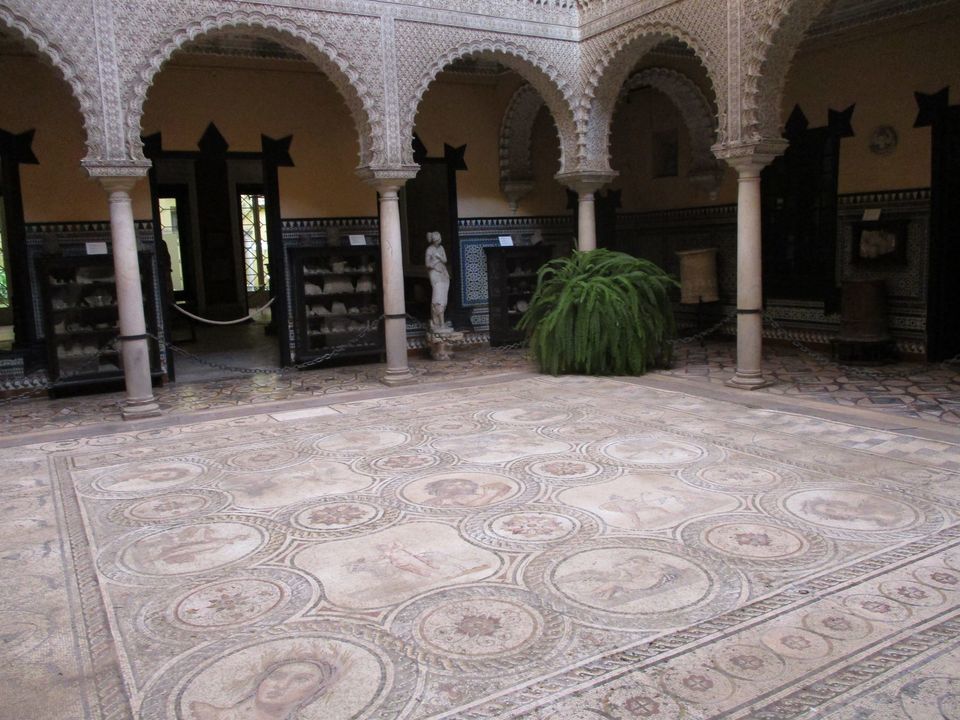
Sat 9th: We visit a few palaces, including that of the Countess of Lebrija. The ground floor is mostly covered with Roman mosaics lifted from nearby archaeological sites in the nineteenth century. I shall think of her as the mosaic-stealing Countess of Lebrija from now on. We have pre-booked for the Cathedral and the timing works quite well. In the afternoon we cross the river to the Triana district, where the old ceramic factory is disappointingly closed but the contemporary art museum is actually quite good. The site of the 1992 Expo is another graveyard to industrial development, with occasional business parks and lots of fenced-off wilderness, hampering our return to the city centre in the heat. We are finding that Seville is a bit bigger than it looked on the map, but the central district is mostly no-go for public transport, so there's nothing for it but a lot of walking.

Mosaic at the Palacio de la Condesa de Lebrija
The Palacio de la Condesa de Lebrija


Sun 10th: We catch a bus to Italica, north-west of the city. Apparently this was one of the largest cities in the Roman world. The site is quite large and what is visible is well-presented, but it seems there has been a lot of earlier removal (see above) or areas that remain unexcavated, or under the present-day settlement of Santiponce. In the afternoon we are back in Seville and see some of the city walls and other bits and pieces, but it is really too hot to do very much. We try a craft beer place quite close to our hotel, and rather like it.

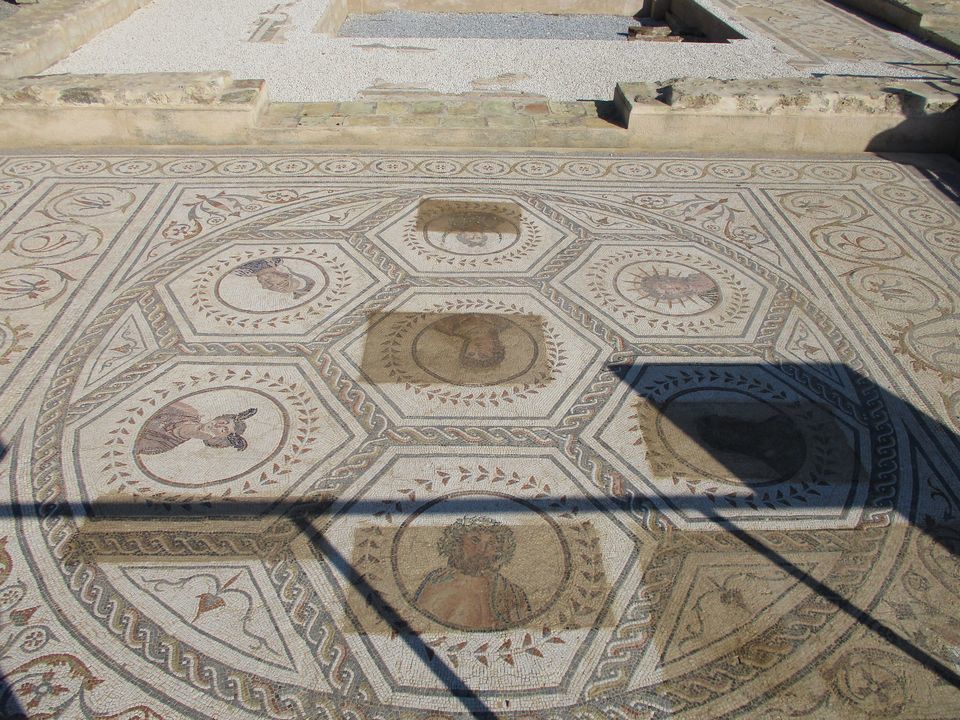
Mosaic of the Planets at Italica
Mosaic of the Planets, Italica


Mon 11th: An early start to catch the train to Granada. We have pre-booked for the Alhambra, but our timing is askew; access to the overall site is for the day, but we miss our slot for the Nasrid palaces. It's quite a hike from the train station, by whichever route; and the signage inside the complex is intermittent. So there's a bit of a downer, but the rest of the site is pleasant, and we also get to see a few other places in Granada later in the day. We find that sangria is available in cans at the station cafe. The aircon doesn't seem to be working on the return train, I have insect bites and a heat rash, and the taxi driver won't take card payments, so it hasn't been the best of days.

Alhambra from the Jardines del Generalife
The Alhambra


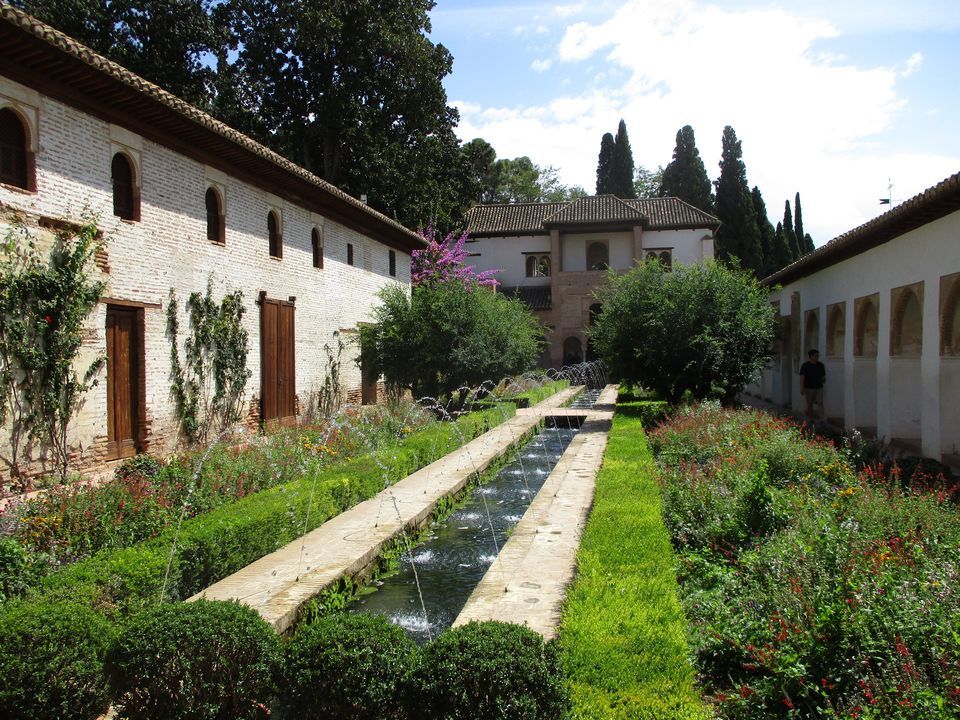
Garden in the Generalife, Granada
Garden in the Generalife


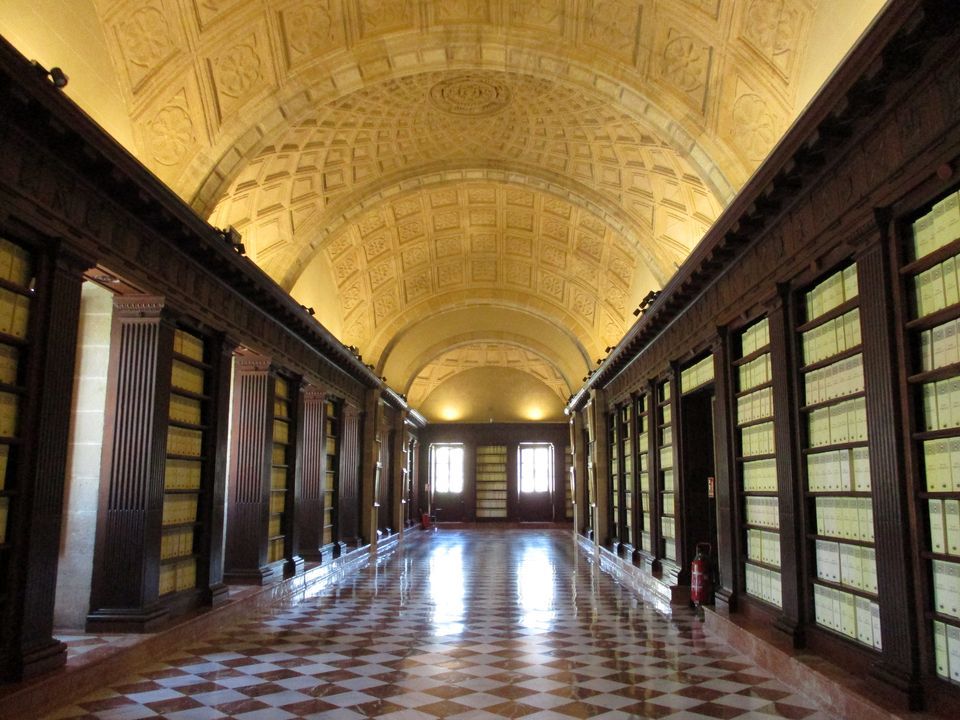
Tues 12th: After a long day yesterday, we take it easy. The Museo de Bellas Artes is free to EU citizens, but we have to pay €3 as a Brexit benefit. The Archivo de Indias is an impressive building, but it is only a building; if you want to see artifacts, the Museum of the Americas in Madrid is the place to go.

Archivo de Indias, Seville
Archivo de Indias


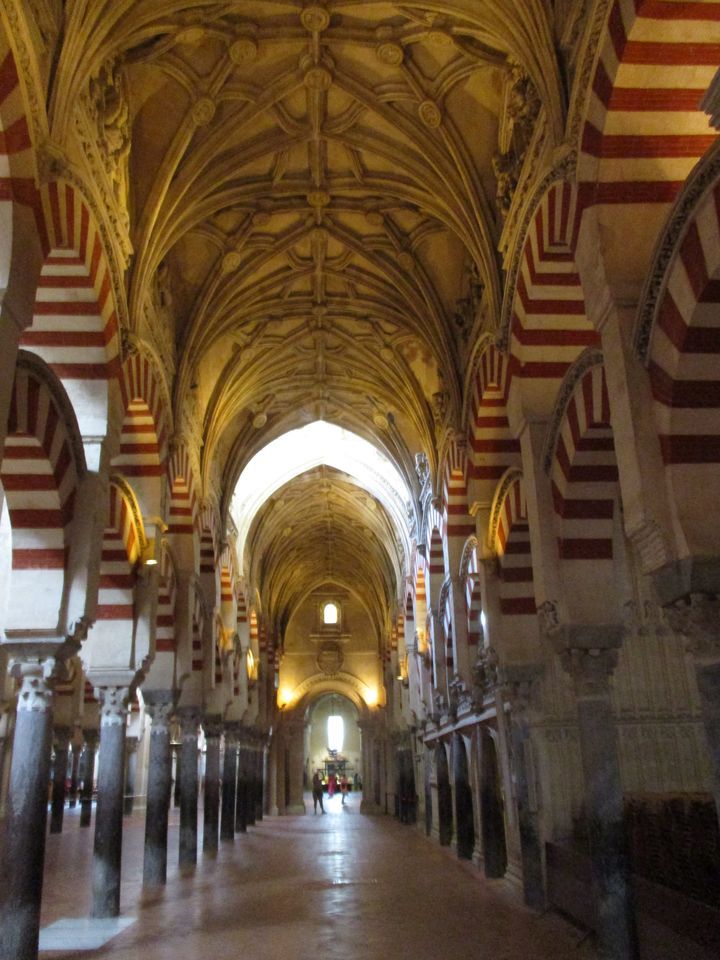
Wed 13th: The train to Cordoba is a shorter trip and leaves at a more civilised hour. We have timed our visit to the Mosque-Cathedral quite well, despite a nervous several minutes while Renfe delay the train shortly after departure. It's an interesting space and shows the heritage of being under various "management" over the years. Is it coincidence that the Christian sections are much lighter, with the dark wooden roof beams removed? I suspect not. After lunch we visit the Alcázar, and the Roman bridge. Again it is bakingly hot, but the return train is also at a civilised hour and has working aircon this time.

Mesquita-Catedral, Cordoba
Mosque or Cathedral? - or maybe both


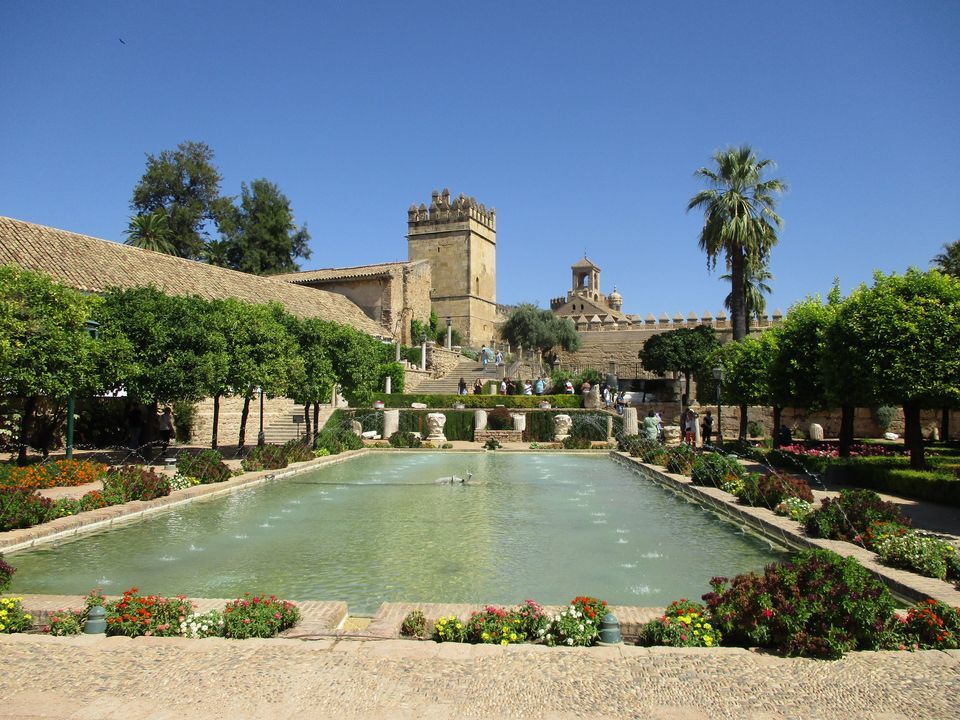
Alcázar de los Reyes Cristianos, Cordoba
Alcázar de los Reyes Cristianos


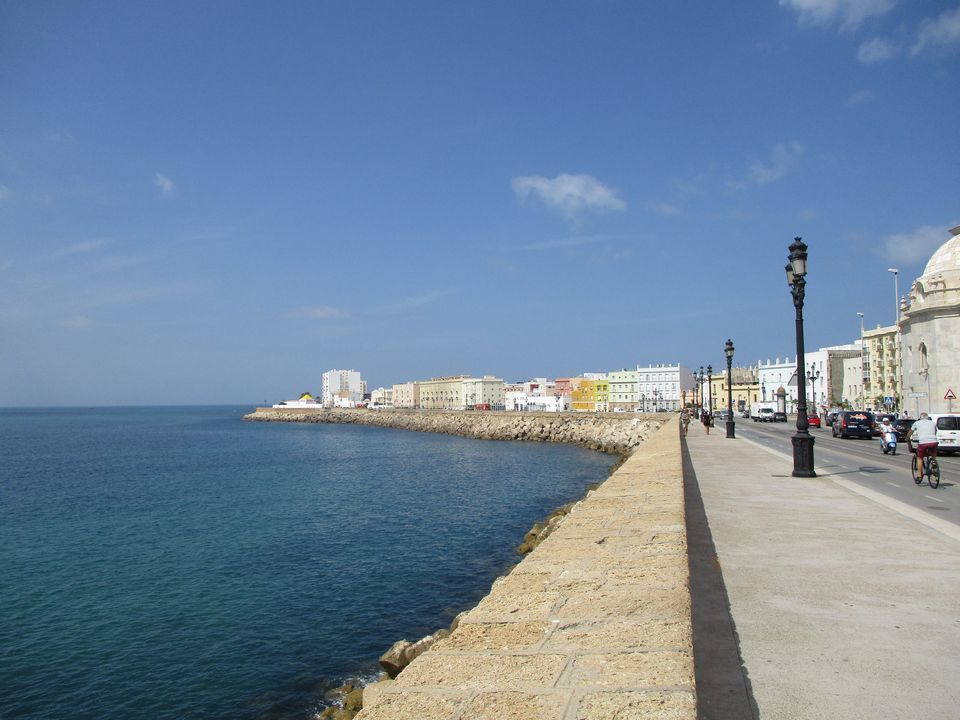
Thurs 14th: Although the train bookings were a little awkward, we've managed to get tickets to Cadíz, and it turns out to be a very welcome trip. The sea air is fresh and the heat feels more manageable. We get to see a few sights, decide to give up on the eating late thing and have paella and sangria in the late afternoon, leaving plenty of time to catch the return train.

Cadíz shoreline
Cadíz shoreline


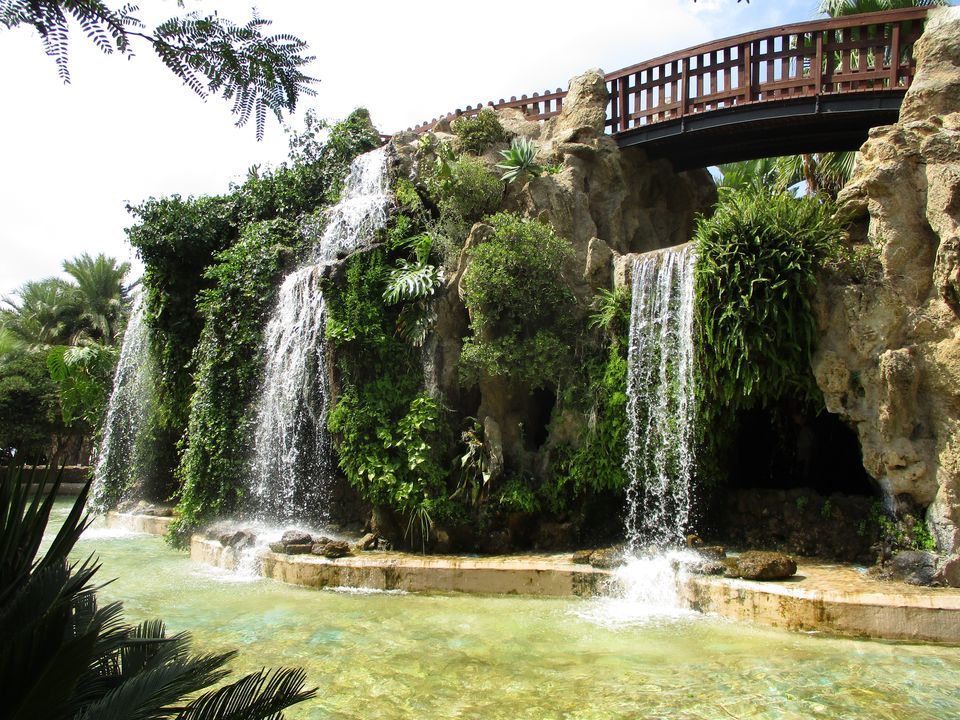
Parque Genovés, Cadíz
Parque Genovés


Fri 15th: The last day of the holiday is a bit fragmented, but we find a few things that didn't have listings in the Rough Guide, such as the Palacio de las Dueñas. The main archaeological museum has a long-term closure, but we find some impressive excavations at the Antiquarium under the Setas de Sevilla.

House of Bacchus, Antiquarium, Seville
House of Bacchus, Antiquarium


Getting to the airport in good time, check-in is straightforward, but it transpires our flight is going to be delayed. Information is minimal, and Seville Airport is quite small; in fact it's the only time I have seen multiple flights listed with the same gate number, as there are few gates in the non-Schengen area. So there's a bit of a pile-up of passengers and little information. It turns out that there are more air traffic control problems at Gatwick, and it's nearly midnight before we have even taken off. Of course, this means the baggage handlers at Gatwick have mostly gone home and it does seem to take a while for our luggage to return. To cap it all, there's an overnight closure on the M25 and the diversion is poorly signposted (and Google Maps offers a contradictory route). It is 4am by the time we get home, rather more mañana than we had intended. It was a mostly successful holiday, but I think we did leave things a bit to chance; it turns out that Spanish culture is sometimes more regimented than one might expect.

Of note

Jul. 11th, 2023 09:02 pm
qatsi: (meades)
I'm still feeling the repercussions of the broadband outages in May and June. Trying to catch up on other significant events, I can remember a few but there may have been others. At the end of May we visited Dulwich Picture Gallery for the Berthe Morisot exhibition and to meet up properly with F. If I'm honest, the exhibition was a bit mediocre and I noted I was actually often drawn to works of other artists placed alongside for comparative purposes. But in any case it was good to catch up with F, and there is always tea and cake to be had in the cafe. As I recall, there was also sunburn on that occasion.

A couple of weeks later, we had lunch with J who was visiting from California. Again it was good to catch up, this time with someone I hadn't seen for more than a decade. I learnt that one of the motivations for "back to the office" in the US is the tax breaks offered to various companies, on the basis that their employees will then pay for public transport in the area. It's not exactly sinister but it does feel like a rather sad reflection on public finances. Not that we have anything to brag about over here in that area. Something about the UK wanting European-style welfare and US-style taxation, or cakeism as it might also be known.

We also ventured out to St Martin in the Fields with (a different) J to see The Sixteen. Although our seats were restricted view, the sound was perfect. Most of the programme was early music, as might be expected, but a couple of contemporary pieces by Dobrinka Tabakova were contrasting and unmistakeably contemporary but well-matched to their context.

Somewhere in-between all of this, we've also had trips to Hampton Court, which I hadn't visited for many years; Gilbert White's house at Selborne, where there was also a "rare" plant sale (in the end, we seem to have bought a few literally common-or-garden plants); and a return visit to Mottisfont, unfortunately a little late for the height of the rose season.
qatsi: (baker)
We had decided that we both needed a break, and a long weekend seemed to be the thing to do. After throwing around a few ideas for somewhere that wasn't too far away, but where actually staying away would be worthwhile, we decided to base ourselves in Bristol for the weekend.

Thurs 6th: An advantage of working from home is that it's relatively straightforward to travel in the evening. Having been away on work travel earlier in the week, for me it is a case of throwing a few things into a backpack, but we have done enough forward planning and it's a simple journey along the M4 to Bristol. Things get a bit more complicated as Google has decided the route through the city centre is best. I can't really disagree with it, but it is a question of keeping your nerve, and checking later that the clean air zone does not require payment for my vehicle. (It does not. It seems that any reasonably recent car will probably be satisfactory, so it amounts to a charge on elderly, more polluting vehicles. I have mixed views.)

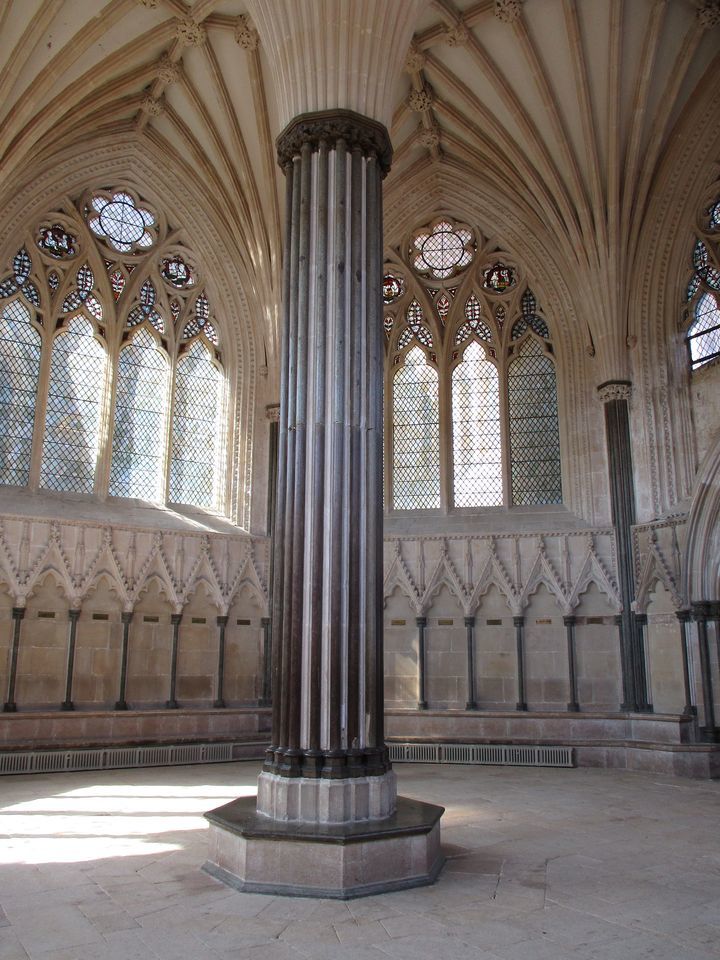
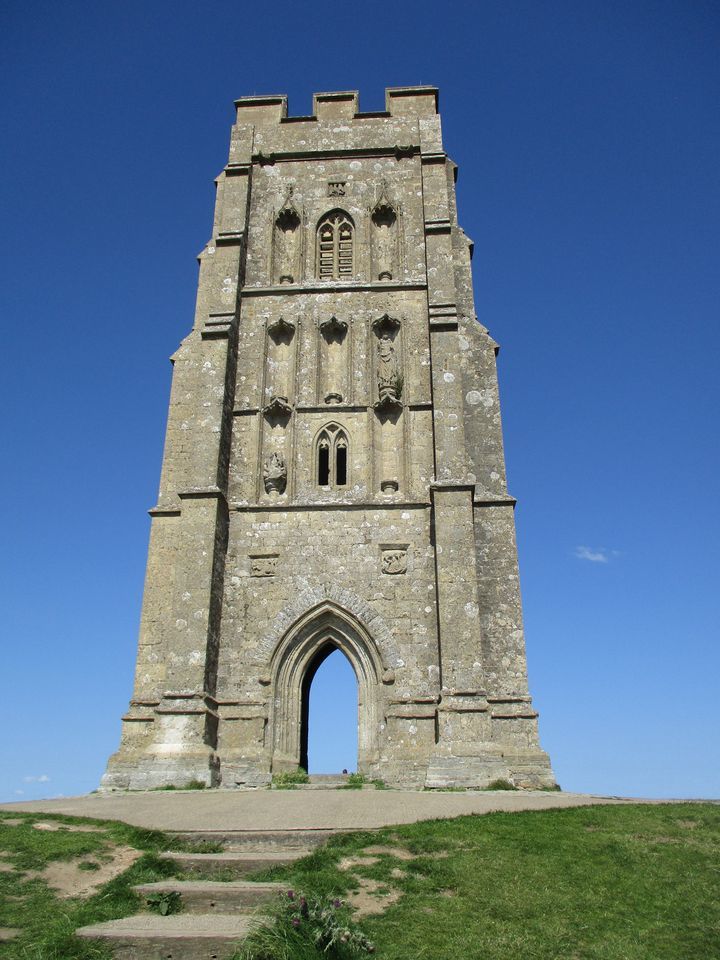
Fri 7th: The best weather forecast of the weekend. We start with a trip to Wells, mainly for the Cathedral, but also for the Bishop's palace. So far as I can tell, no babies were eaten. However, looking around the Chapter House, I fear the Time Lords may claim that one of their time rotors is missing. After lunch we progress to Glastonbury, to see the Abbey ruins. I am struck by quite how much New Age gibberish is going on all around me. It is rather hot as we move on to the Tor. I find it difficult to imagine a flooded landscape and the tower seems outsized for any church that could conceivably be built in the space available, but there you are. We return to Bristol and have a pleasant Italian meal at The Spaghetti Incident.


Wells Cathedral Chapter House


Glastonbury Tor


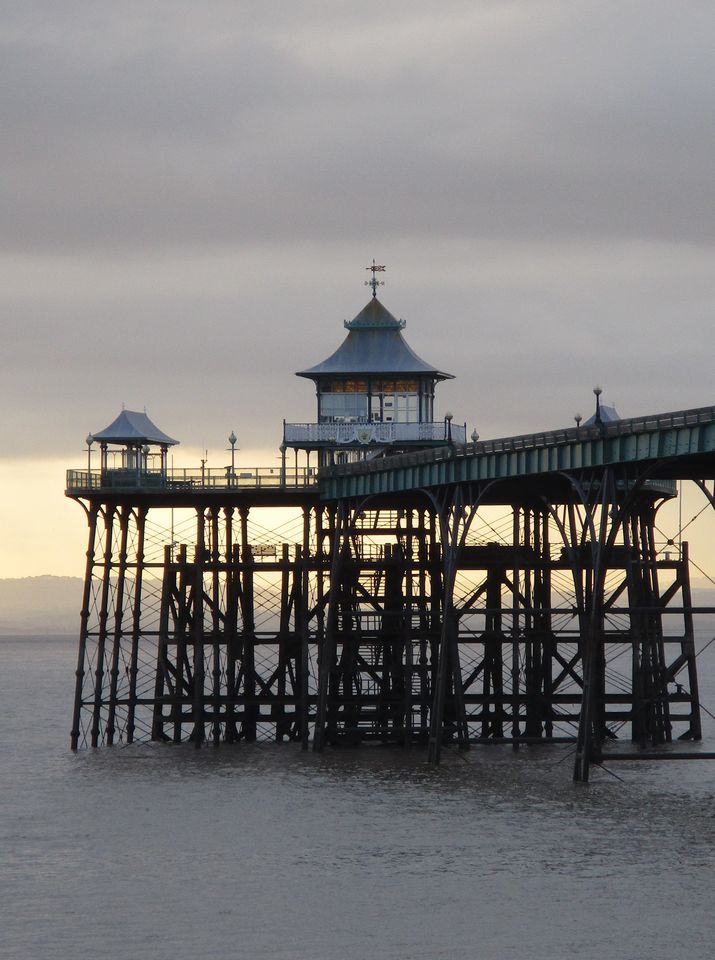
Sat 8th: The forecast is not good, so we decide on indoor attractions at least for the morning and make use of Bath's Park and Ride system. First, to the Herschel Museum of Astronomy: a small museum in the house William and his sister Caroline lived in for a few years. Initially, Herschel came to Bath as a musician, and the collection is a mixture of the musical and the astronomical. Then it's on to the Holburne Museum for more decorative arts. The weather is indifferent but mostly dry, so in the afternoon we head over to Bradford-on-Avon for the tithe barn (which turns out to be partially closed for a local production of Amadeus of all things) and some local churches. As we are in the area we also take in The Courts Garden, an interesting twentieth century garden on the site of an old mill. We end the day on the other side of Bristol, at Clevedon, where we get tapas at Escala and admire the pier during what passes for sunset.


Musical Serpent at the Herschel Museum


Clevedon Pier


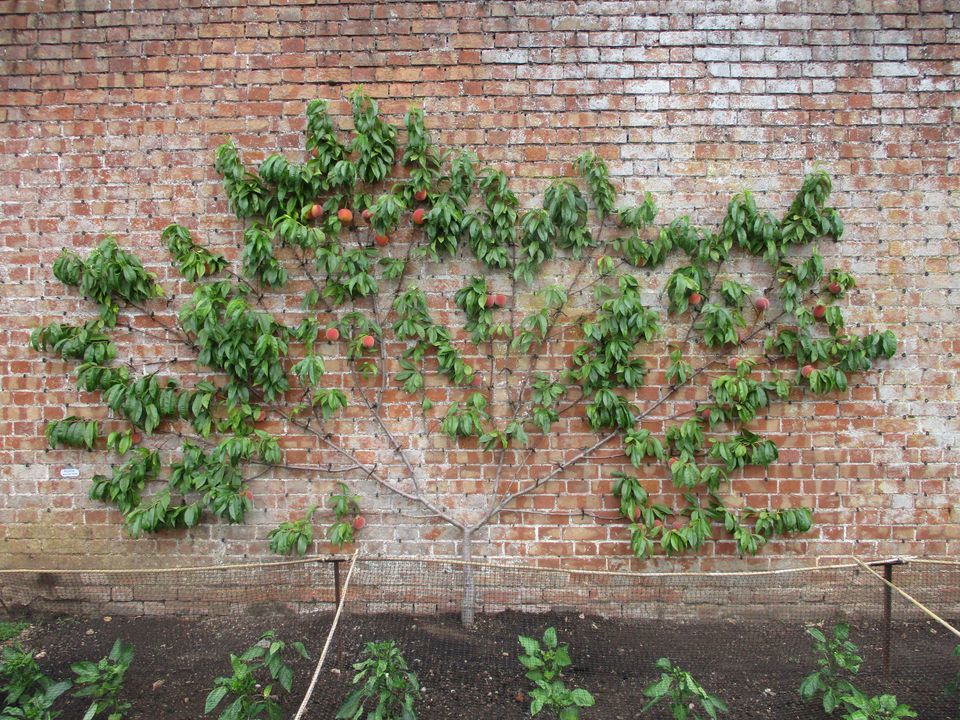
Sun 9th: Tyntesfield is high on the bucket list for the weekend, so we decide to risk the weather. In fact it's mostly dry. The kitchen gardens are impressive, with several trained fruit trees around the perimeter, and there is quite a lot to see inside the house, which is a relatively recent acquisition. The chapel isn't really my thing but it is undeniably a striking feature. I acquire three books from the No 1 Ladies' Detective Agency series at the secondhand bookshop, only to later discover that I already have two of them. At £1.50 each it is hardly a disaster. After lunch we move on to Dyrham Park, a smaller property surrounded by a deer park. Alas, a notice informs us that the herd has been culled due to persistent outbreaks of tuberculosis. Inside the house, there's a trigger warning about some of the artifacts and their links to, or representations of, slavery. We can't undo the past, but we shouldn't airbrush it for convenience either, so I can see it's difficult to find the right balance. We end the day in Clifton, where the sun shines brightly on the suspension bridge.


Peach tree, Tyntesfield


Clifton Suspension Bridge


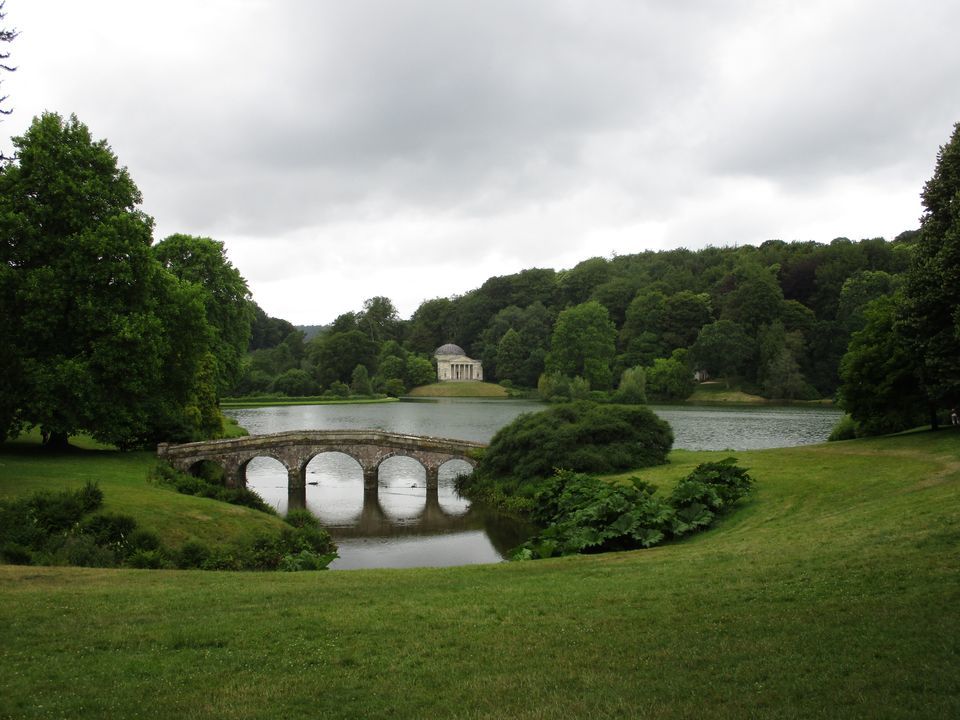
Mon 10th: We have some flexibility about what to do, and decide in the end to risk Stourhead. It turns out to be worth the risk - although there's at best intermittent sunshine, it is almost entirely dry, and as well as the gardens, the house turns out to be rather interesting as well. As we're heading back to the car, the rain starts, and we decide we're not going to venture elsewhere, so it's just back home, mostly along the A303 and its stop-start traffic around Stonehenge.


Stourhead

qatsi: (sewell)
Book Review: Vita Sackville-West's Sissinghurst - The Creation of a Garden, by Vita Sackville-West and Sarah Raven
Unusually, this was a surprise Christmas present, after our trip last year to Sussex which included a short hop over the border into Kent to visit Sissinghurst. I'll admit my initial thought was that a far more entertaining book would have been written by Jan Ravens, but this was a little unfair. It turns out that Sarah Raven is married to one of Sackville-West's grandsons, and the family still lives at Sissinghurst (which explains why very little of the buildings were open to the public), so there is good provenance.

In terms of subject matter, the book divides into two parts: history and gardening. Raven writes about the history of Sissinghurst, a Tudor manor house which acquired the designation of Castle after a period housing French prisoners of war. Fire destroyed much of the building in the eighteenth century, and although the site provided good agricultural returns the house was neglected. Vita Sackville-West grew up nearby and after her marriage to Harold Nicolson, in the late 1920s and early 1930s they searched for an appropriate property. Apparently the nearby Bodiam Castle was under consideration for a time, but they decided it was too impractical. Sissinghurst was sold to them as a "farm with ruins".

Probably the larger half of the book covers Vita's approach to various aspects of the garden, from her planting style of "cram, cram, cram" to the various monochrome schemes in different sections of the garden (the white garden, the purple border, and the sunset colours of the cottage garden). Generally the approach is for Raven to provide some context on a particular matter and then quote at length from Vita's writings, either from books or her Observer columns over the years. This doesn't feel quite as intrinsically informative as the historical section, but it does give insight into Vita's opinionated writing, and provides a pivot point to consider plant availability, taste, and gardening styles and practices over nearly the past century.

The illustrations in the book are a mixed bag. The colour plate sections are excellent, and the historical drawings of the house are clear and interesting, but many of Vita and Harold's photos are a bit grainy, blurry or just dull; of course they are family photos and weren't taken especially with posterity in mind. I suppose they are of genuine historical interest but they don't stand up well against the better quality photographs.

There was some tension about handing over the gardens to the National Trust, though Vita became accepting of its inevitability; whilst some aspects and planting have been updated over time, many others remain in the authentic style of the place's famous occupants.

Scorchio

Sep. 11th, 2022 06:52 pm
qatsi: (capaldi)
In an attempt to return to normality, we looked at a summer holiday this year. As usual, there were arguments about the Proms (partially voided by later events, obviously) and the likely weather. As usual, a compromise was reached.

Tues 30th: The advice from Heathrow is still to arrive 3 hours before your flight, so we have brought the parking booking forward by half an hour to even more ridiculous o'clock. On the bus from the car park, I discover my EHIC has expired (I confused the digits and thought it was valid until 2023). In the event, Terminal 2 is not particularly busy at 6am and we drift through security uneventfully, although more devices have been installed and I have to stand in odd postures to satisfy whatever scanning technology is now employed. Our flight is via Zurich, where - for the first time ever - my passport is stamped. We make the connection without incident, as both legs of the journey seem to have been delayed by a similar amount. We arrive at Naples and catch the bus into the city centre, then the Circumvesuviana train out to Ercolano, our base for the duration. Later in the afternoon, a trip to Oplontis proves fruitless, as it is currently closed on Tuesdays. It is far too hot.

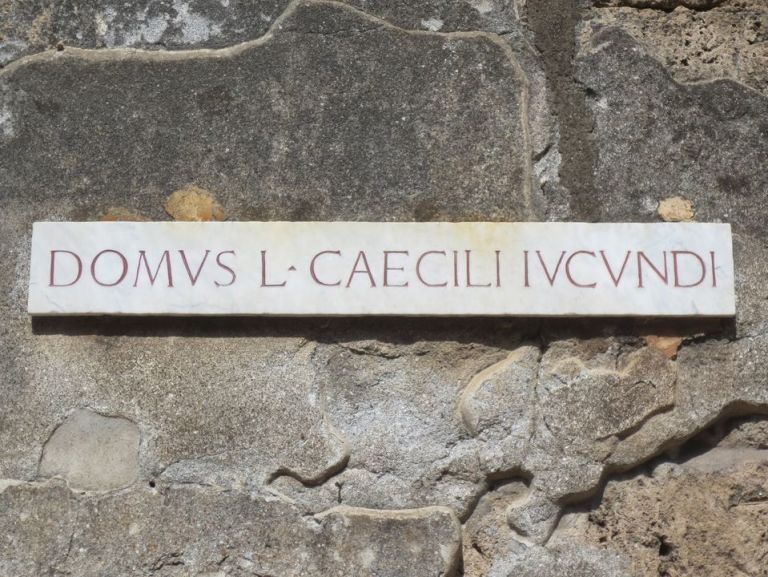
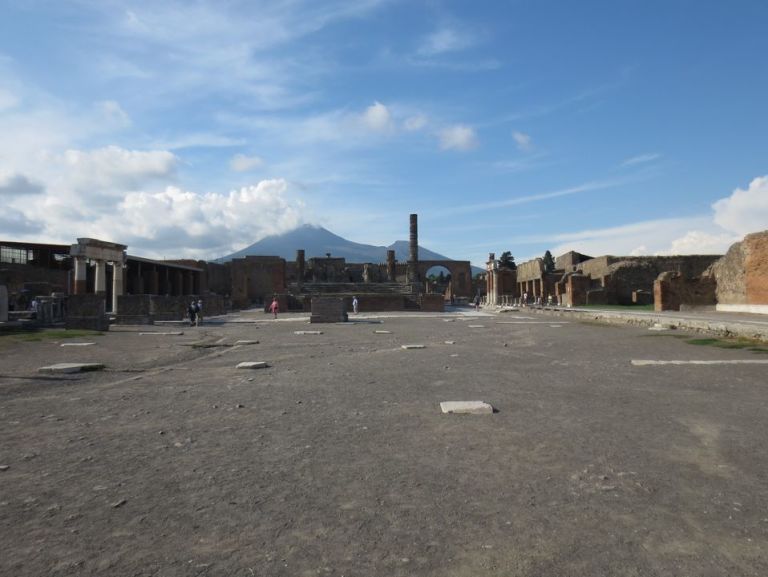
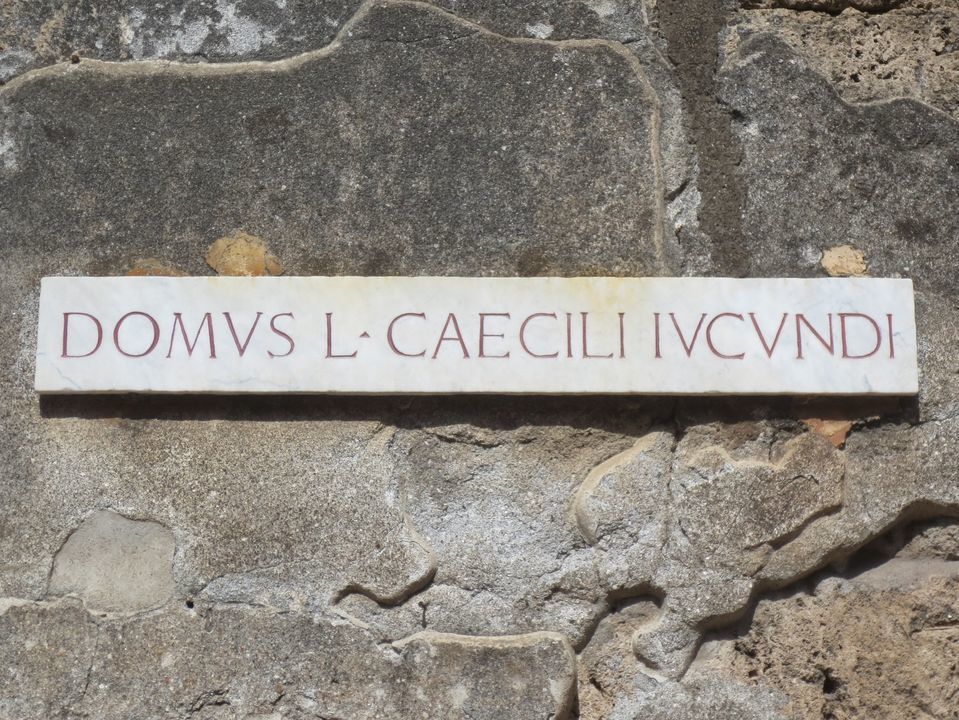
Wed 31st: We decide to begin at the top of the bucket list, with a trip to Pompeii (which, in Italian, apparently has only a single i). It is impressive. There is nothing like it in scale in Britain, and even Rome does not feel that it compares, as ancient remains are interspersed with contemporary structures, so this really is a unique experience. We are uncertain about the single on-site cafe, but fortunately it proves to cater decent snack food at decent prices. The number of tour parties climbs during the day, probably exceeding the original population of the city, but in fact it's easy to find quiet spots by veering only slightly away from the main roads. As the day progresses, perhaps fatigue sets in - one house after another, all blurring into one - although the written guide suggests there are four distinct phases of construction. Randomly, late in the afternoon, we stumble upon a structure marked DOMVS L. CAECILI IVCVNDVI - the Caecilius of the Cambridge Latin Course and Doctor Who fame. As visitor attractions are open late into the evening and it is on our way home, we re-try Oplontis and check out the Villa Poppea, successfully this time.
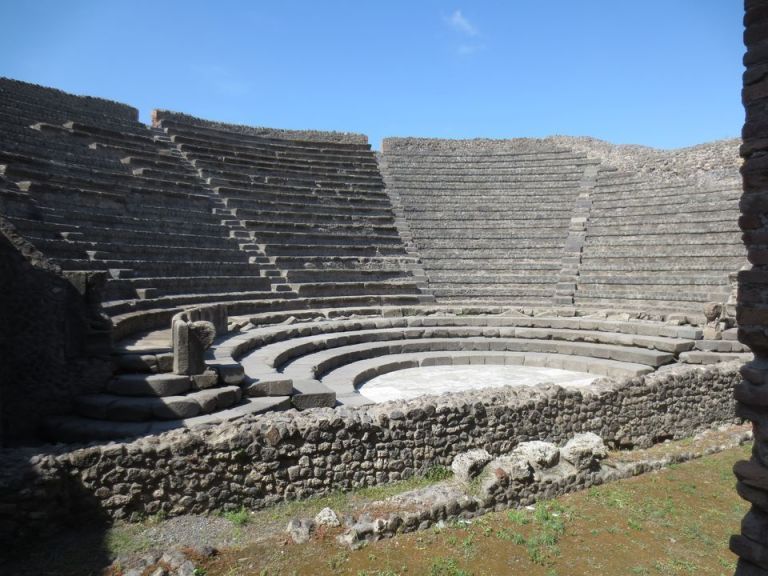
Pompeii Theatre


Pompeii - Theatre


Home of Lucius Caecilius Iucundus


Pompeii - Home of Lucius Caecilius Iucundus
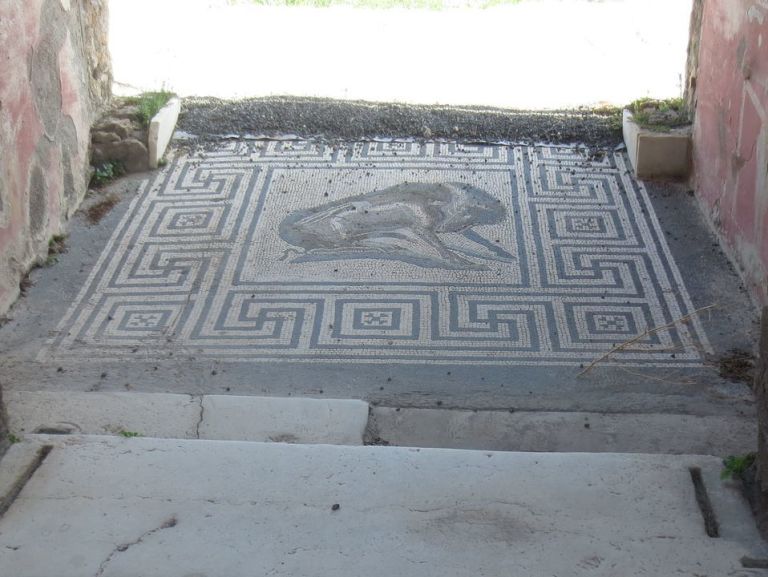

House of the Boar


Pompeii - House of the Boar


Pompeii Forum and Vesuvius


Pompeii - Forum and Vesuvius


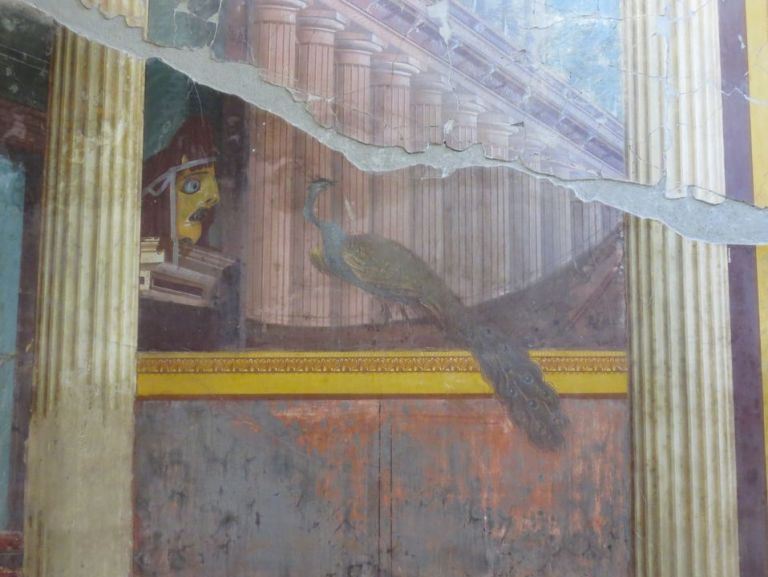
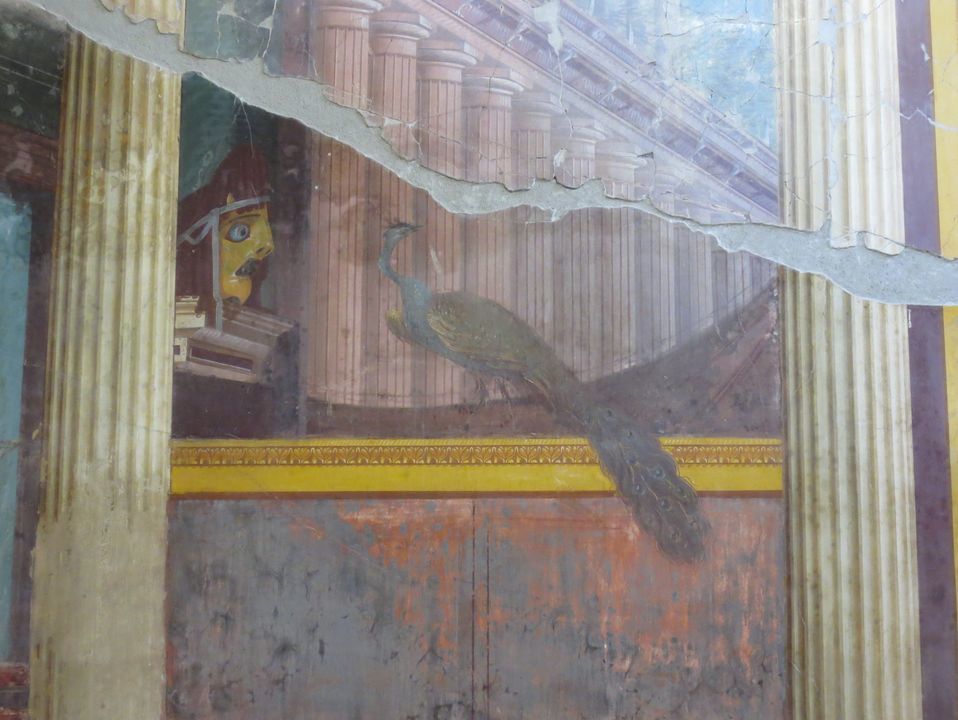
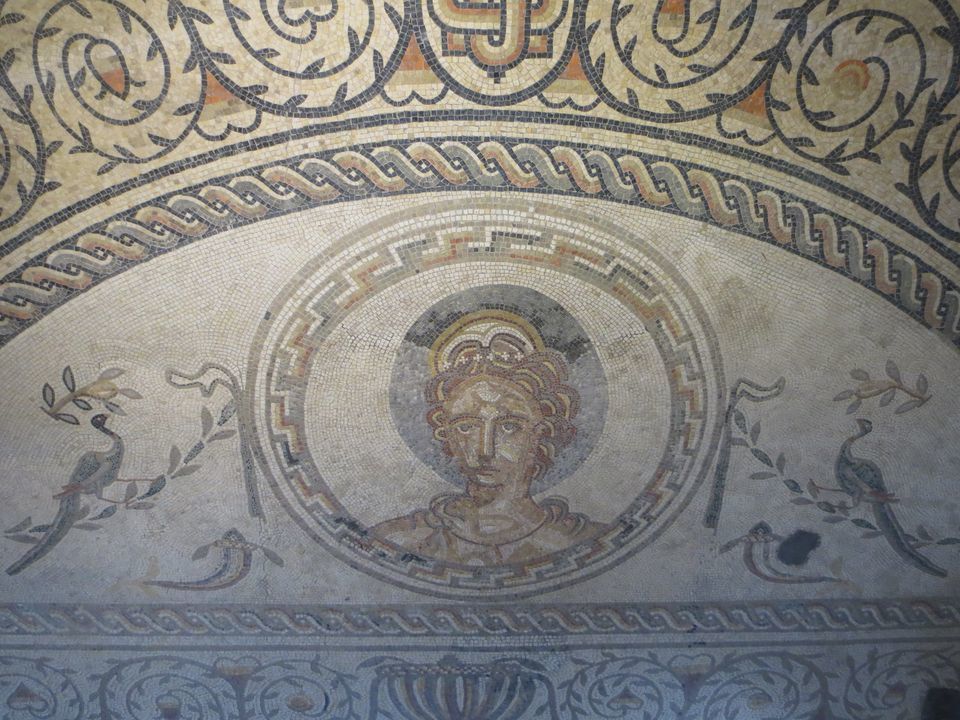
Oplontis - Villa Poppea


Oplontis - Peacock at the Villa Poppea


Thurs 1st: I observe I am getting bitten by mosquitoes, as before in Italy (particularly Florence). Rain is forecast, so we take the opportunity to visit the Archaeological museum in Naples. As well as Roman remains, there is an extensive Egyptian section in the basement, which proves to be more informatively labelled than is often the case, or perhaps I am just in the mood to pay more attention. By mid-afternoon we make our way to the Catacombe di San Gaudioso. This is the only tourist attraction where we are told to wear FFP2 masks (though we have been doing so anyway when indoors; we have heard enough stories of people catching covid while on holiday). It's a more gruesome tour than the Catacombs in Rome, being largely medieval.

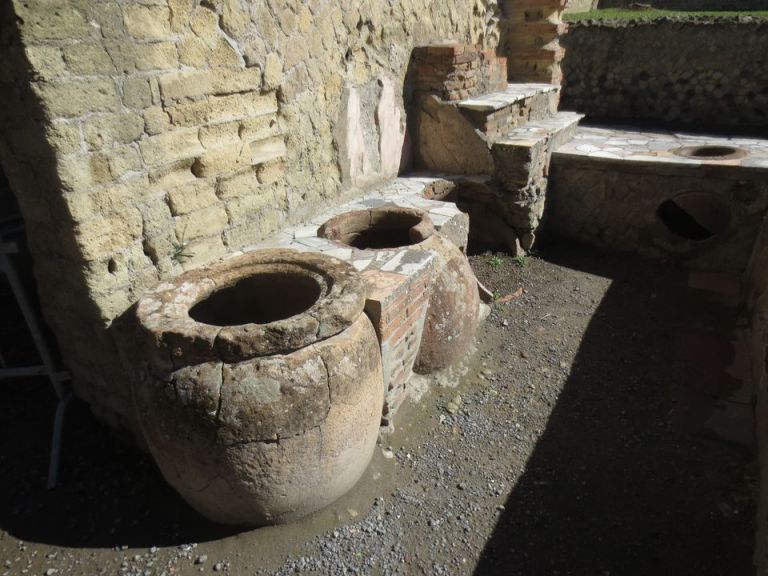
Fri 2nd: The site at Herculaneum is a stone's throw from our hotel. The excavated site is much smaller than at Pompeii (as is believed to be the settlement as a whole), but it seems better preserved, with many buildings of two stories, although they are perhaps less ornate. The on-site museum contains some interesting artefacts, including a fragment of carbonised rope; more carbonised wood seems visible in some of the buildings. In the afternoon we head in to Naples, visiting various places including Pio Monte della Misericordia and the striking Maiolica church at Santa Chiara. We encounter a band of musicians playing what I instantly recognise as pizzica from a late-night Prom in 2019, though consulting the Internet it turns out that in Campania the style is known as tammurriata - all variants of tarantella.
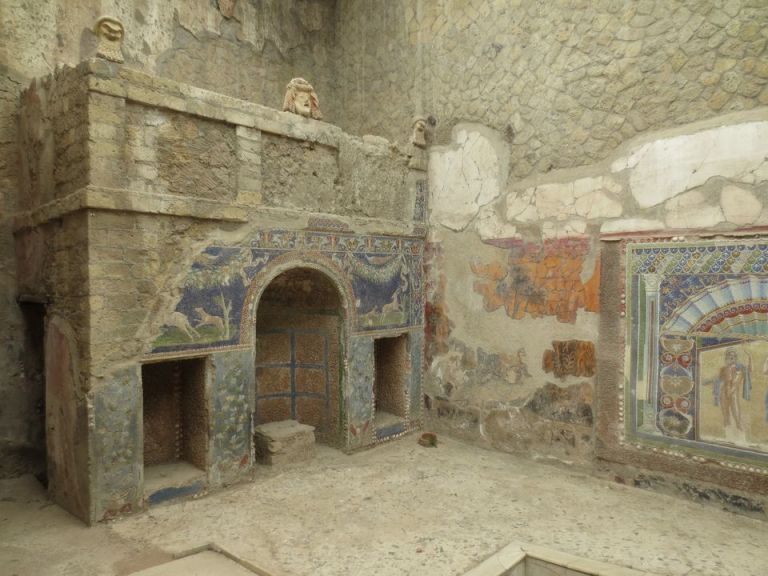
Herculaneum House of Neptune


Herculaneum - House of Neptune


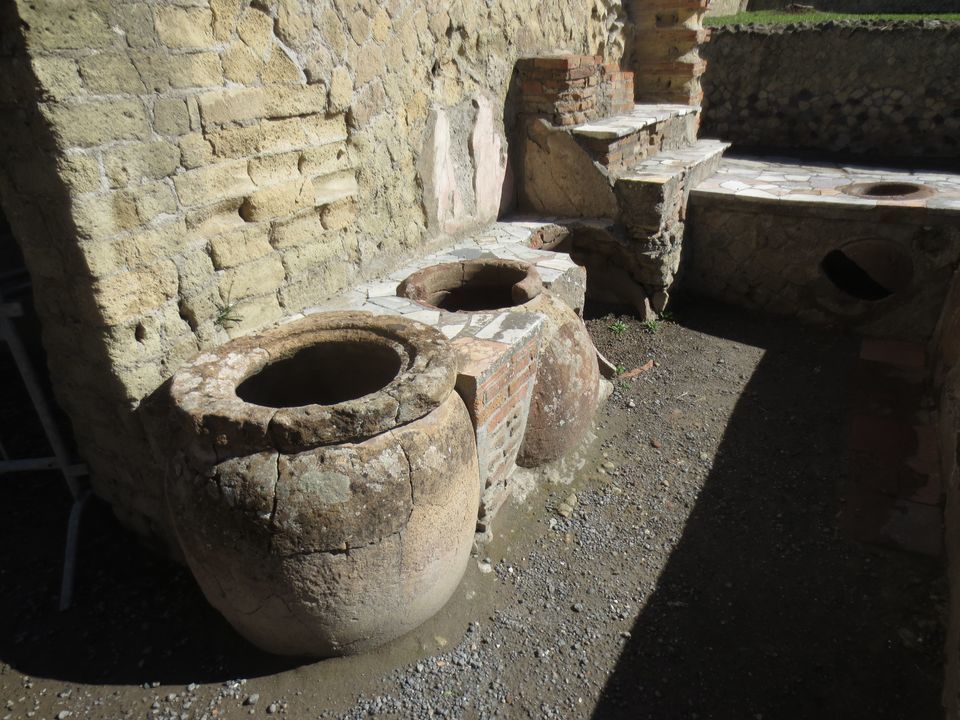
Herculaneum Thermopolium


Herculaneum - Thermopolium


Sat 3rd: It's time to visit the Royal Palace in Naples, which is a relatively modest affair; afterward, we catch the noon tour of the underground Galleria Borbonica, featuring tunnels intended to safeguard the monarchy in the event of insurrection, but later used as shelter in World War 2, and later again as storage for vehicles impounded by police, and fly-tipping by low-level organised crime groups. In the afternoon we take the funicular to the monastery of San Martino and the neighbouring castle of Sant Elmo.
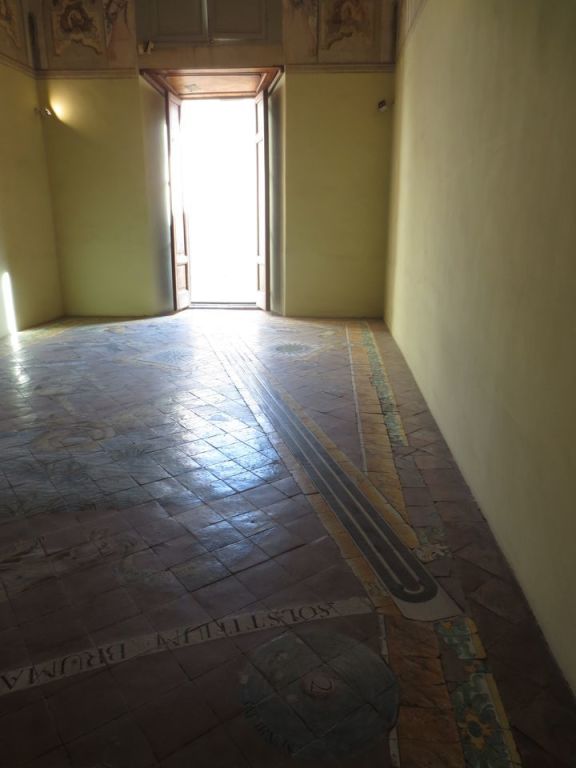
San Martino Camera Obscura Sundial


Certosa di San Martino - Camera Obscura Sundial


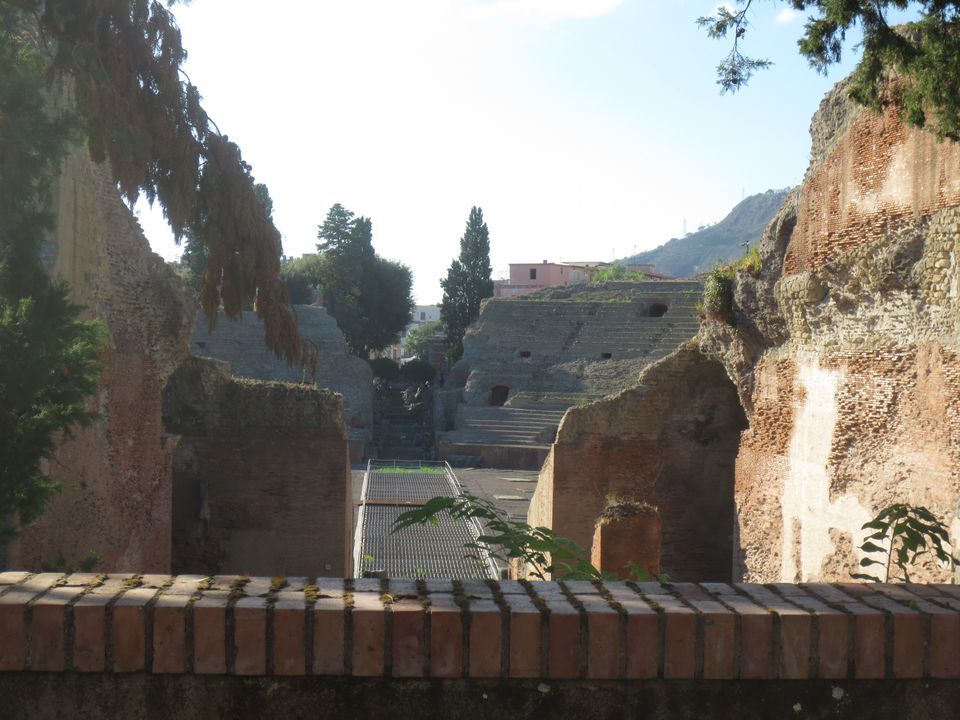
Sun 4th: Another rainy day, at least initially, so we take the metro and the bus to the art gallery at Capodimonte. To be honest, this is a bit of a disappointment: the floors that are open are mostly consumed by one after another Madonna con Bambino, and the 18th/19th century floor is closed. As the weather has cleared, in the afternoon we take a trip out to Pozzuoli, which has a remarkable amphitheatre. Sadly there is no access to the ground level, but the underground, where gladiators, prisoners and animals were stored and prepared, is very well preserved. Due to the rain earlier in the day, the Temple of Serapis appears like an island in a lake. Despite applying insect repellent, the bites are now looking quite dramatic, and I feel the need to check symptoms of malaria and sepsis, just in case, but I am reassuringly free of them.
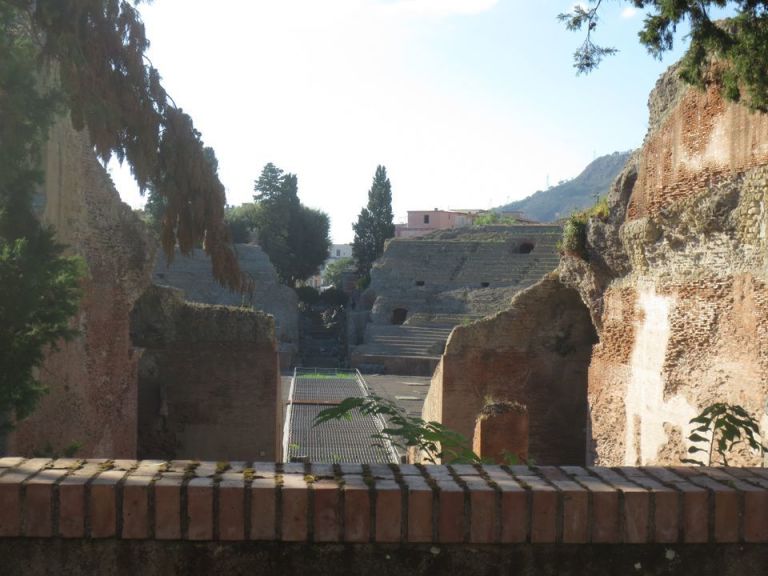
Pozzuoli Amphitheatre


Pozzuoli - Amphitheatre


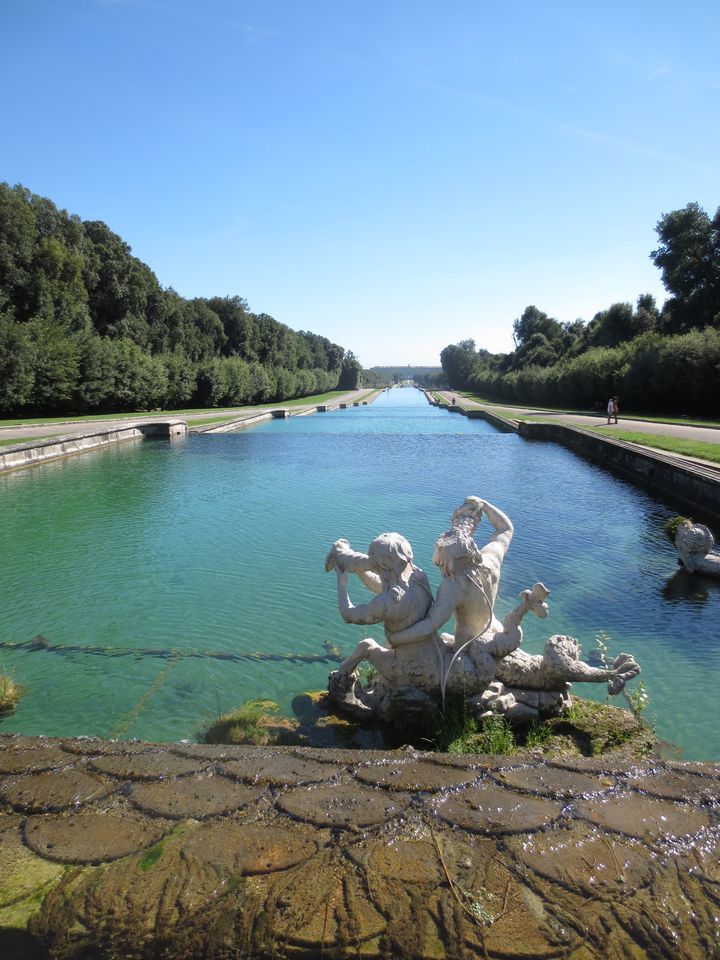
Mon 5th: It is well known that any English word can, if necessary, be turned into Italian by adding the suffix -o or -io, and it feels like we are playing Crescento di Morningtonio as the Circumvesuviana train takes an unexpected turn off before Naples. We decide to get out at an interchange station, only to discover that the interchange is closed. We walk in the wrong direction to the next stop, where it turns out the contactless card access is not working. Eventually we do get in to Naples, but the Trenitalia ticket machines are refusing to take card payments. We abandon them and take the old-fashioned option of going into the ticket office, where after a wait we accomplish our objective of getting tickets to Caserta. Earlier research revealed that there is a dearth of mid-morning trains, but once we have our tickets things proceed largely according to plan, so it's lunch by the time we arrive. The Bourbon out-of-town palace is on a much grander scale than their city-centre pad, and it's frequently plain that it could be an inspiration for 20th-century fascist architecture. The grounds are enormous, and we follow the rill - though it's really too big for such a name - through various levels. At the top there's an "English" garden - it's not exactly clear why it has this name, beyond the presence of one or two follies in the style of fake ruins, as though there weren't enough of the real thing in this area.
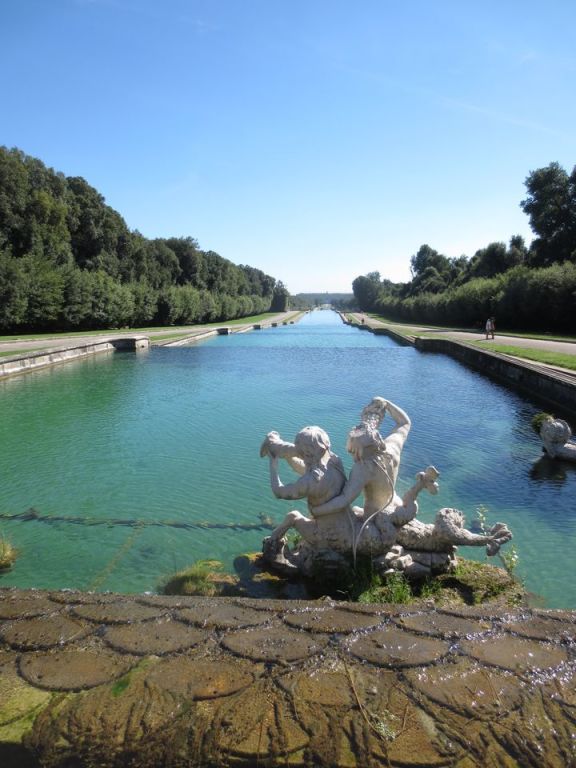
Caserta


Caserta


Tues 6th: We are a bit smarter with the transport and go directly to the ticket office for a more complicated journey to Paestum. This turns out to be impressive again - three massive Greek temples in a settlement that pre-dates the Roman period. Amusingly, it turns out that the Temple of Hera is purely hypothetical - there is no real evidence for the choice of deity. The site is relatively quiet but the heat is intense.
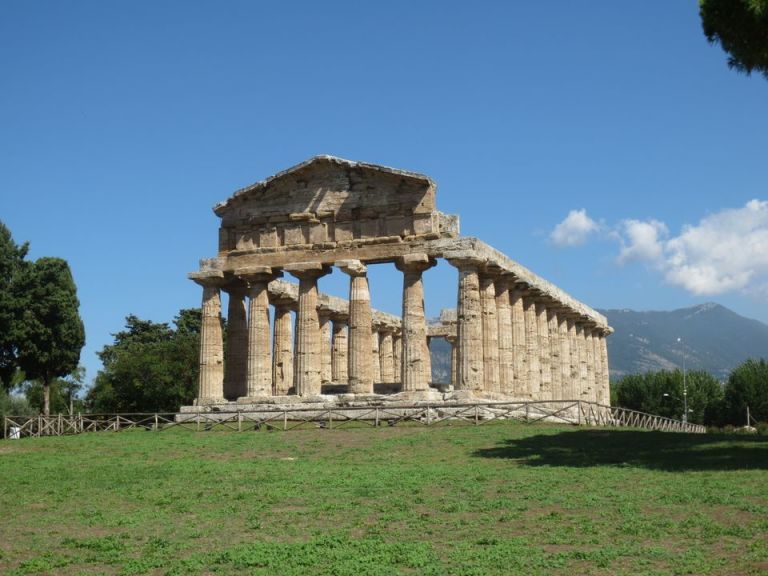
Paestum


Paestum


Wed 7th: Our final day begins somewhat frustratingly, as many places in Naples turn out to be closed or to require pre-booking. By lunch time we are heading to the airport, where our flight stubbornly declines to have a check-in desk (we have been unable to check-in online, but the booking did say "airport check-in" so this is not surprising). Eventually things start moving, but it has made our connection in Amsterdam, rather tight. The captain announces that the landing gear of the plane struck a bird on arrival, and that the delay is due to safety checks: fair enough. We make our connection in Schiphol, but on arrival in Heathrow, it transpires that our luggage didn't. We complete the requisite forms and hope for the best. A previous experience in 2017, as well as third-party anecdotal evidence from many years ago, makes me hopeful, but this is 2022 and Schiphol is experiencing problems just as much as Heathrow, it seems.

To be honest, food and drink were unremarkable, though we discovered birra rossa. Public transport was good, provided you researched it in advance - some lines (but not all) take contactless payments like TfL; the last train back from Naples to Ercolano was at 21:30 so we had to be aware when eating in Naples in the evening.

Thurs 8th - Fri 9th: Online tracking of our luggage is painfully slow, although it indicates it has been identified and forwarded to the UK.

Sat 10th: At last, our luggage arrives, in a changed world.
qatsi: (baker)
We haven't rushed back to travel after the pandemic hiatus, but decided to take the opportunity of a week's holiday in Sussex - no passport required, of any colour.

Sun 22nd: The roads haven't been too bad, and we stop for a late lunch and garden visit at Nyman's, which has been on the bucket-list for a while. Later in the afternoon we press on to the outskirts of Eastbourne, which has been designated reasonably central for the places we intend to visit. The sea air is bracing, the pier is decaying, but we find mussels and craft beer at The Belgian Cafe.


Mon 23rd: Mostly Roman. The weather forecast isn't great, so we plan for an indoor day. It's quite a trek to Fishbourne Roman Palace, and there are alarming school parties doubtless serving as vectors of disease, but it's worth it for the spectacular mosaics (albeit on somewhat subsided floors). After lunch we move on to Bignor, another Roman villa, and later in the afternoon, to Petworth.


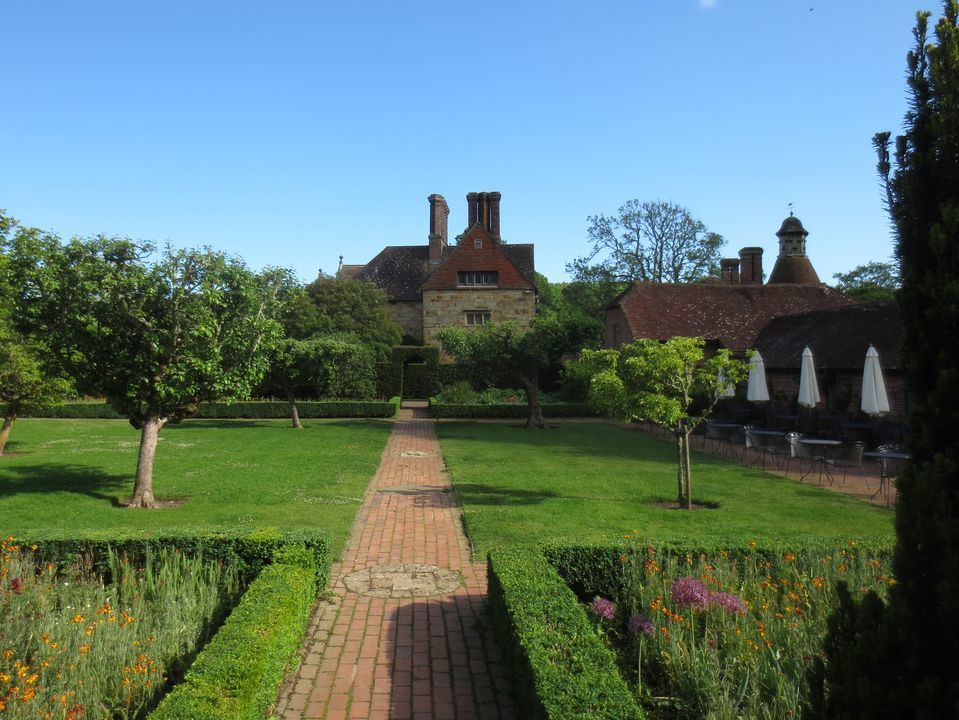
Tues 24th: Mostly Norman. The weather forecast remains unsettled. We start at Herstmonceux Castle, which has attractive grounds and gardens, then move on to Pevensey Castle, where Romans and Normans through the ages have set up fortifications. In the afternoon, after an alarming misting-up in the car during heavy rain, due to fiddling with the ventilation options, we visit Battle Abbey. As the weather clears, we end the day at Bateman's, the sometime home of Rudyard Kipling, fitted out in Arts and Crafts style and reminding me somewhat of Blackwell in the Lake District.


Wed 25th: Slightly awkward scheduling where pre-booking is still required means that we visit the De La Warr Pavilion in Bexhill first, where there's definitely a sea breeze. Then it's on to Charleston, where Vanessa Bell and others set up their Bohemian home for most of the twentieth century. There is some disagreement between Google Maps directions and the actualité, so we skip a church on the Firle estate and move on to Standen in the afternoon. It appears the owner made enough money as a lawyer during the Railway-mania era not only to build a country house, but also to go on a world tour and furnish it with several Japanese artefacts.


Thurs 26th: Heading a little further afield, we start at Bodiam Castle, then on to Great Dixter, and finally to Sissinghurst Castle. For once it is the Old People who have to be corrected by the guides on not touching the furniture. Kent is known as the "Garden of England" but today it seems more like the "Waiting Room of Heaven".


Fri 27th: Ironically, the weather has improved for our final day, when we're somewhat mopping up the things we haven't visited earlier in the week. We start out at the Towner Gallery in Eastbourne, which has a collection of Eric Ravilious works (some of which I recall from the exhibition at Dulwich Picture Gallery some years ago), and an interesting temporary exhibition featuring paintings of and by Eileen Mayo. Next it's Ditchling Museum, where the traffic proves to be excruciating (evidently due to a wedding in the nearby church), and the museum itself is rather small. We spend the afternoon in Arundel Castle before heading home into the evening.

qatsi: (meades)
Book Review: City of Light - The reinvention of Paris, by Rupert Christiansen
This was a very quick read; it's a thin volume and has plenty of illustrations. The focus is on Baron Haussmann, Napoleon III's mid-nineteenth century urban fixer, although there is some background from the earlier Bourbon restoration and the book runs through to the Franco-Prussian war and the Paris commune, and has an epilogue bringing the reader up-to-date with twenty-first century changes. The perennial problem of poor quality slum housing and shanty-town dwellings has the perennial solution of clearance and gentrification. Some of Haussmann's dealings might have bordered on corruption, but at the time they generally passed as pragmatic ways of tackling the problems, at least until the bills came in. The book draws attention to various concerns of the city at that time, notably the way to curtail and control "the mob" through wide boulevards rather than narrow streets, and the progress of the railways. Yet, on the latter account, it's interesting that Paris, like London, is a city of railway termini: despite an extensive compulsory purchase scheme cutting swathes through the centre for new roads, there doesn't seem to have been any appetite for through trains, and this doesn't get a mention.
qatsi: (sewell)
Book Review: Thenford - The Creation of an English Garden, by Michael and Anne Heseltine
We visited Thenford last October, and I suggested the accompanying book would make a good Christmas present. It's certainly a coffee-table book - provided you have a sturdy coffee-table.

The Heseltines acquired Thenford, near Banbury, in 1976. The first chapter outlines their search for a country house, with the abolition of his Tavistock constituency in 1974. There's an air of entitlement and privilege here that I find awkward, and though it's never arrogant or condescending I wonder whether it could have been addressed in a more sensitive manner. The recently widowed occupant moved into the adjacent Thenford Lodge and retained a portion of the estate, but the Heseltines sought to reinvigorate a somewhat neglected landscape. Each chapter deals with a section of the estate, describes the plans, changes and developments they undertook. The writing is candid, admitting to various mistakes and escapades in unwittingly buying stolen goods, or having their own items stolen. A number of plants were acquired during Heseltine's ministerial career and whilst horticultural gifts seem an unlikely means of obtaining favours, the cumulative value of such items would be rather more than the value of any gifts from work my annual anti-bribery and corruption training reminds me I would be able to keep. The book contains plentiful photographs from their time at Thenford, some professional, others memorialising construction and development or more quotidian events, which adds an air of authenticity. For the visitor, there is a lot of interesting information about the gardens, and it's surprising to read how new, or renewed, much of the garden development is. I have a much better sense of the size of an acre (the Walled Garden at Thenford is described as two acres), and although there is some information about the provenance and acquisiton of the colossal Lenin statue, it remains somewhat enigmatic.

The Rill
qatsi: (capaldi)
Yesterday we went to Harcourt Arboretum. Of course, everything nowadays must be booked in advance, and we'd put this off for a week or two due to weather, but the forecast was reasonable so we decided to take our chance.

It's many years since our last visit and I can't say I remember much, so I don't know how much it has changed. Not a great deal, I imagine. There is a lot of open space for an arboretum; presumably the Harcourts only wanted a limited area devoted to trees.
Harcourt Arboretum, Oxford

Palmer's Leys Meadows


Having got some decent exercise by wandering the perimeter of the meadow, we eventually found our way to the acer glade, one of the main attractions for this season. One or two trees had already gone over; some were still quite green, whilst others were in transition.
Harcourt Arboretum, Oxford

Traffic-light acer


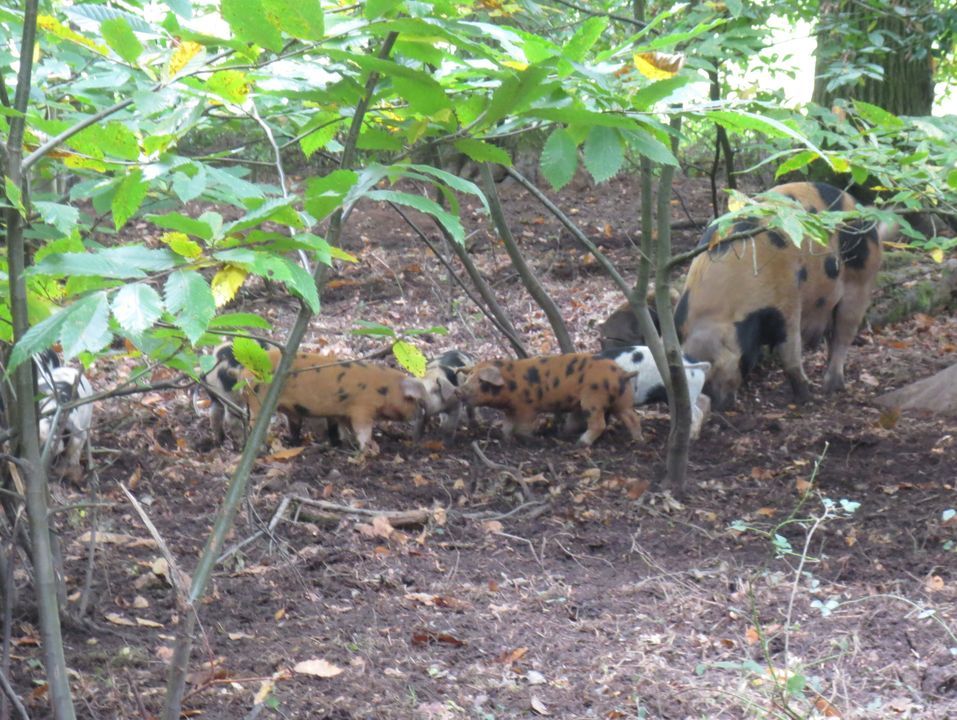
One thing I do remember from the previous visit is the prevalence of peacocks. "The peacocks are not owned by the Arboretum. They are wild animals and may be unpredictable. Please do not feed the peacocks", warned the leaflet. Those we saw were presumably relative youngsters, as they seemed to have some downy feathers still, and they were no especially co-operative for photography. The litter of Oxford Sandy and Black pigs were a bit more open to these opportunities, I suspect having learned that the humans often approach with food.
Harcourt Arboretum, Oxford

Oxford Sandy and Black pigs


Though there were some cloudy spells, it remained dry and was often quite bright. With indoor attractions not a viable option for the foreseeable future, there's limited scope to get out and about. Covid cases remain relatively low here, but have doubled in the past week, and quadrupled from a couple of weeks ago, an all-too familiar pattern.
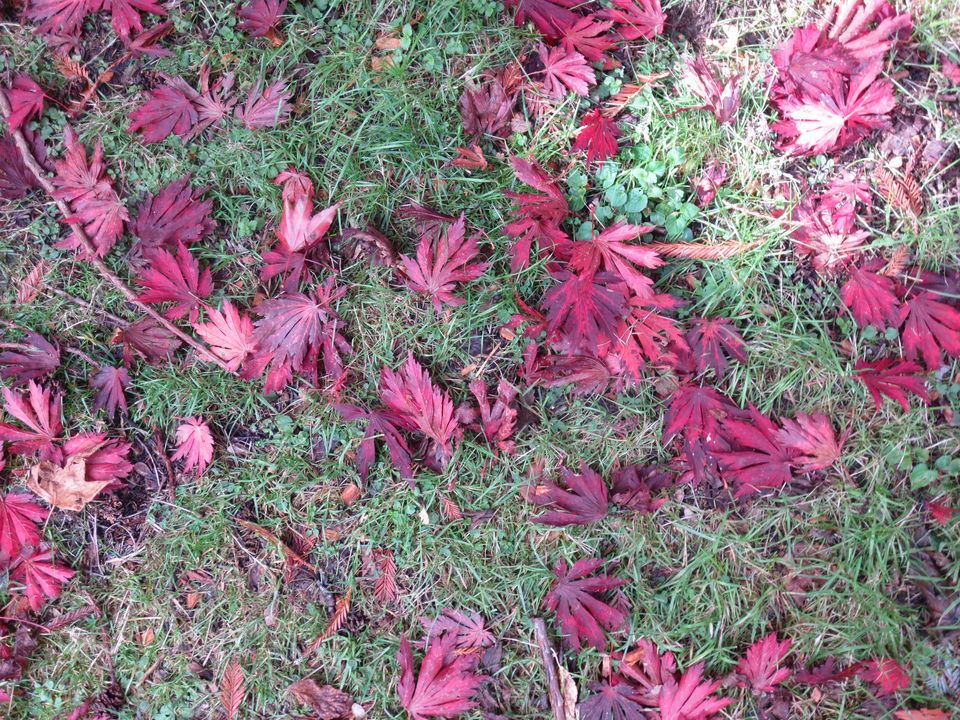
Harcourt Arboretum, Oxford

Harcourt Autumn Leaves

qatsi: (meades)
As the summer progresses, the nature of the disruption to our lives changes. I have some sympathy for people who had booked holidays before the pandemic began; it's more moderated for those who booked later on and should have understood the risks they were taking. Of course the tabloid press are outraged as quarantines are imposed on little notice; but what's the point of imposing them only after you've allowed everyone to make a quick dash back to Blighty? The trouble is, Law and Order in these matters has become distinctly optional since a certain trip to Barnard Castle earlier in the year. I'm not convinced a different government would have got things much better - Sturgeon emerges in Scotland with a much better reputation mainly because she spun towards the differences in approach, moving the focus away from, for example, an unfortunately similar tale on care homes to the English case.

So, we haven't been away and have no plans at present to do so. Nonetheless, employers are strongly encouraging people to take substantial fractions of their annual holiday over the summer break, understandably, because it will not help if we all leave our complete allowances until the end of the year. I'm taking a long weekend, and today we have been to Mottisfont. Like many visitor attractions, at present one must pre-book, and only the grounds and gardens are open. We booked about a week ago, uncertain of the weather, but although it was humid and overcast, it remained dry and was at a bearable temperature compared to earlier in the week.

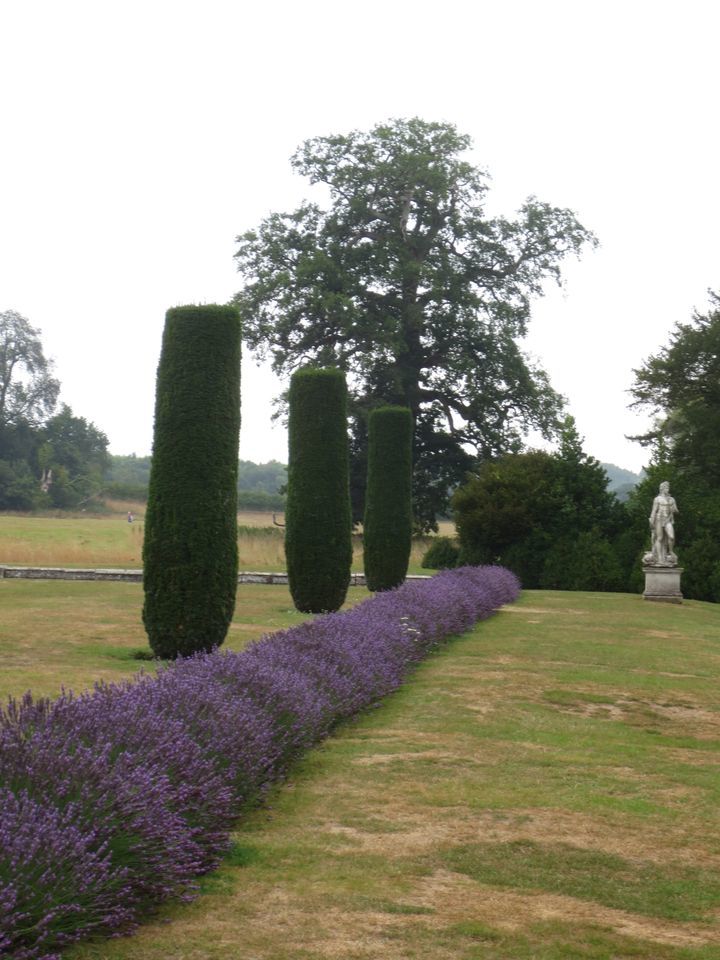
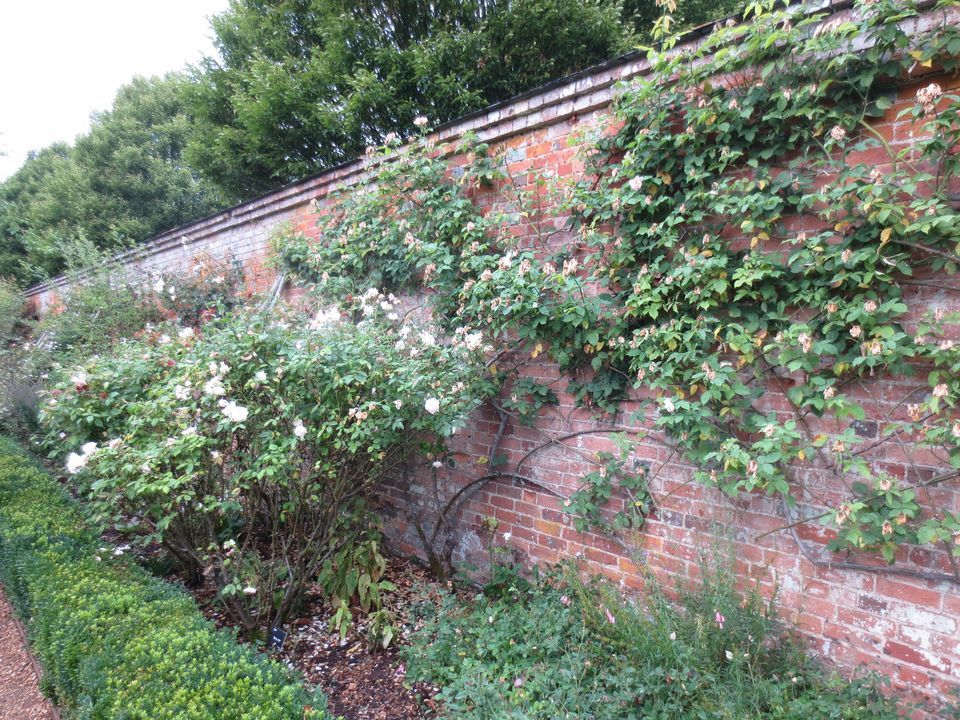
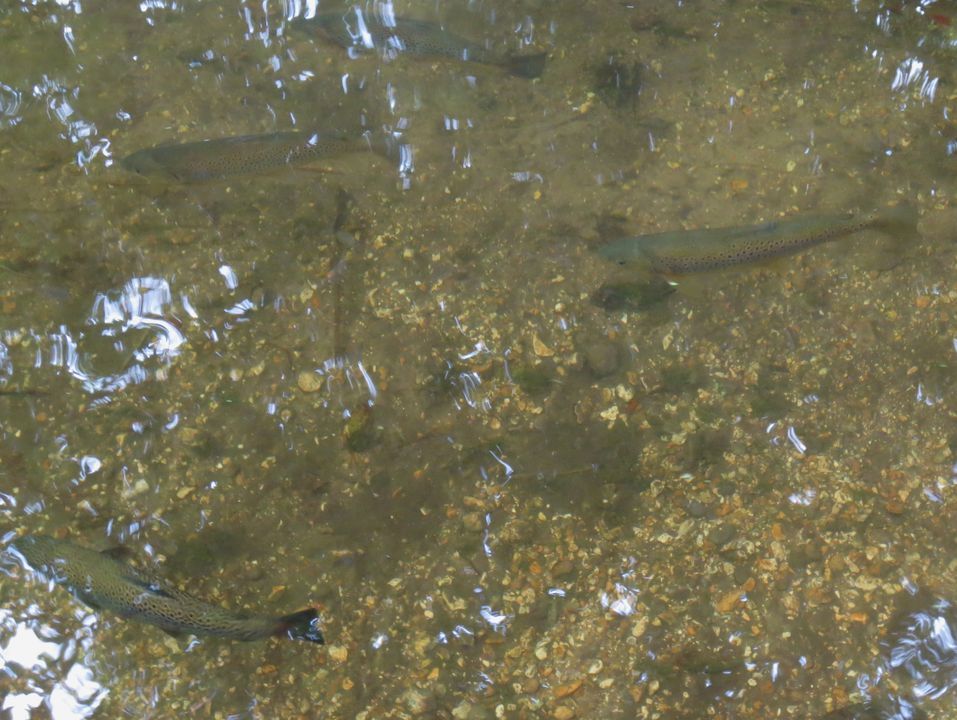
I'm not best disposed to families at the best of times, and I did feel that some of the small children should have been kept under better control, social-distance-wise. The virus has not gone away or changed substantially, and there is no vaccine as yet, so any increase in social interactions will rapidly return us to the lockdown situation of a few months ago. But assuming I don't fall ill, I enjoyed the visit; it was good to get out and even though the walled rose garden was well past its best, it was still attractive, with tree hibiscus, kale, and other ornamental plants. The chalk geology makes the rivers run clear in the area, and we could see trout in the streams in the grounds. Among the intense lavender beds we saw a Hummingbird hawk-moth.


The Priory


Lavender beds


The Angel mosaic


The Walled Garden


Trout

qatsi: (capaldi)
A few weeks ago, as outdoor attractions started to re-open, we booked tickets to go to RHS Wisley. Of course, the weather had other ideas, but in fact it wasn't too bad. There was a short queue, but it was self-managing with 2m points clearly marked on the ground, and the entry through the small indoor area was quite swift.

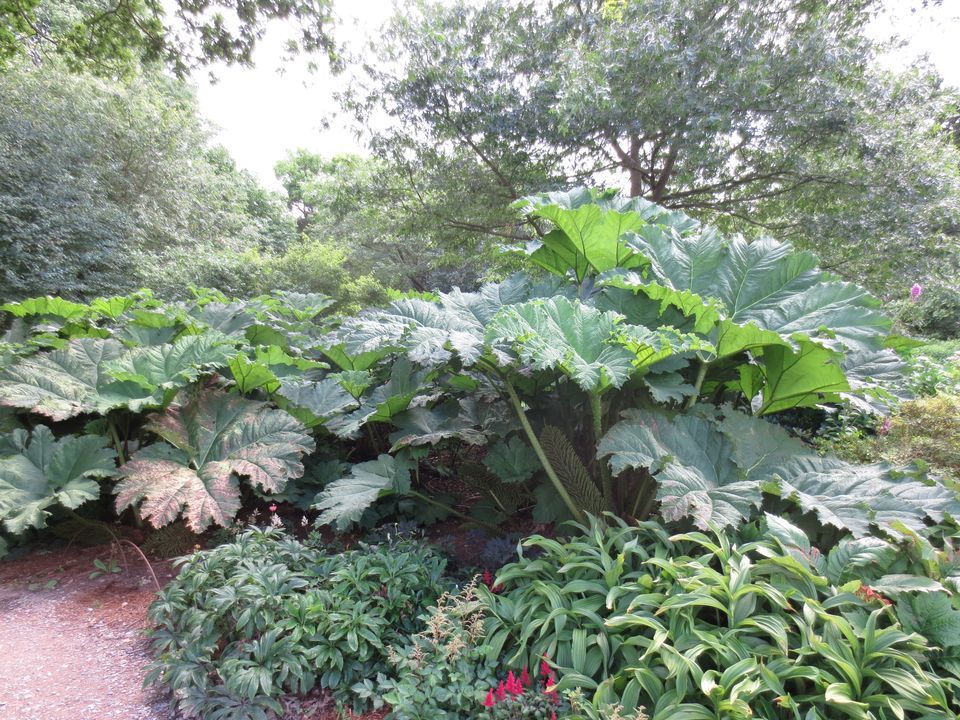
It's many years since we visited - I reckon it could easily be 15 or 20 - and I think a lot has changed. Last time we visited was in autumn; this time we got to see mid-summer. Although the glasshouses were closed, we had a good wander through most of the outdoor areas, and I picked up a couple of tips in the trials area. In these times I can't say it was a stress-free visit, but common sense generally prevailed and I didn't feel uneasy at any stage, though we avoided the shop (not least because it had its own queue).


The Laboratory


The Walled Garden


Gunnera


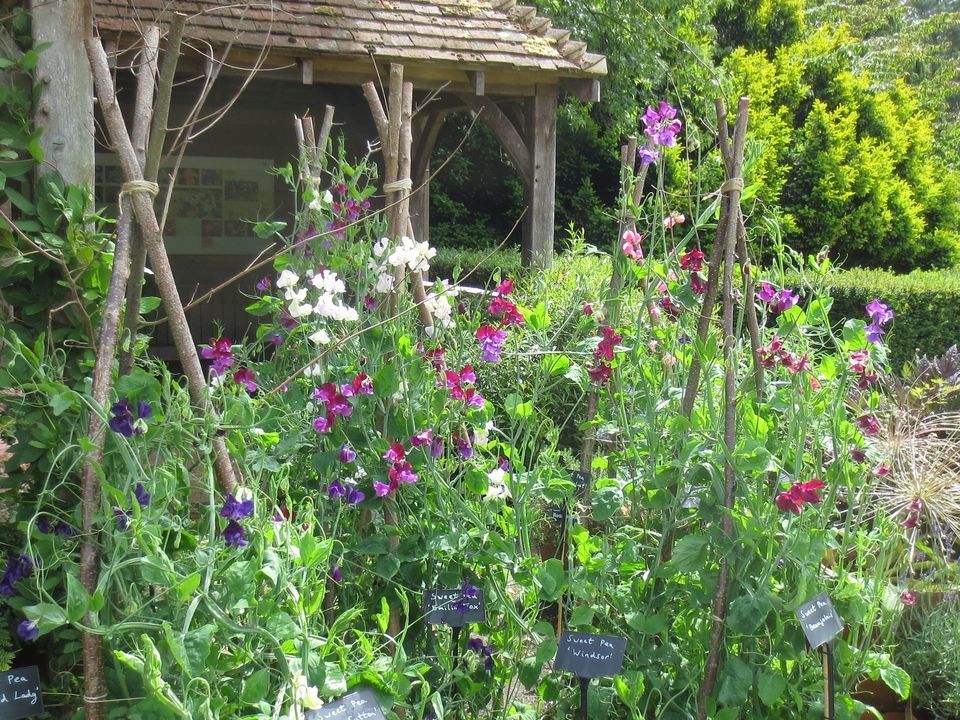
Sweet Peas


Bonsai


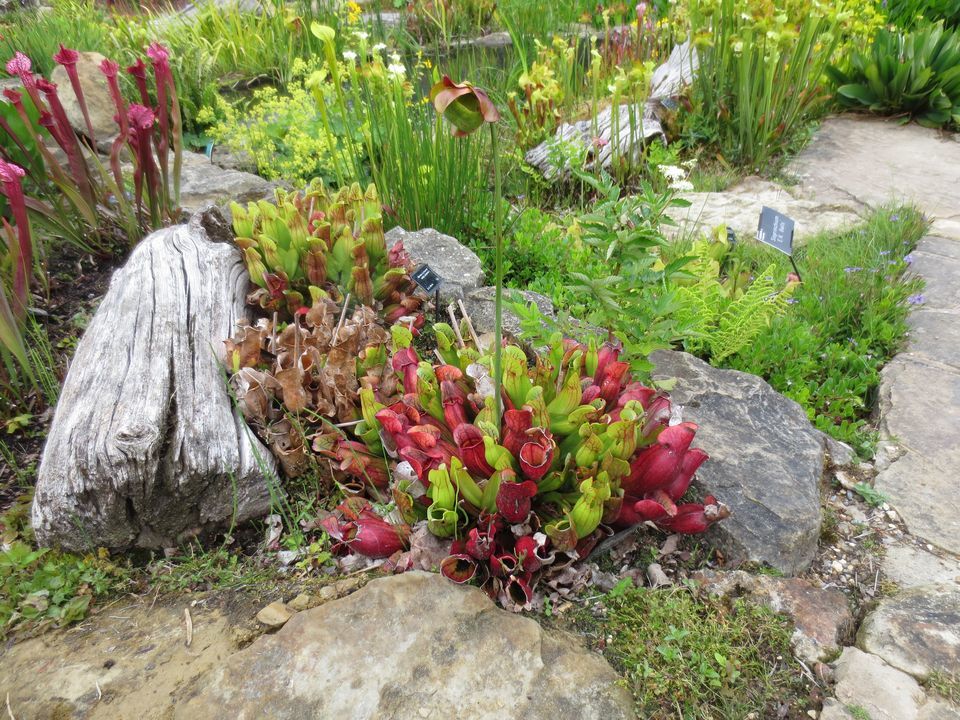
Sarracenia

qatsi: (Default)
At the end of 2018 I noted it hadn't been a brilliant year. Well, the same goes for 2019, possibly in spades, and it doesn't look great for 2020 either. But in between, there have been highlights: here are mine.


Honourable mentions for A Vineyard in Andalusia and An English Murder (fiction); 4th Rock from the Sun and The Invention of Air (non-fiction); Canzionere Grecanico Salentino and Queen Victoria's piano (music); Skansen in Stockholm, the Gustavianum in Uppsala (museums and exhibitions).

Perhaps hibernation for the duration would be the best option.
qatsi: (proms)
I suggested to Dad that he have a look through the Proms season and see if there was anything he was interested in, to spend a couple of days in London, and this was one of the options that came up. I joined the online queue in May on the morning the bookings started; although I was about 10,000 places down the queue I wasn't too concerned that the concert would sell out, though I was concerned that the server, or the internet connection, might fail and I'd lose my place. In the event, we got good seats in the stalls; probably the best I've had, as we were looking over the pianist's shoulders from 8 rows up.

The BBC Philharmonic and Ben Gernon began with a piece new to me: Malcolm Arnold's Peterloo overture. There can't be many pieces of classical music that have been commissioned by the TUC. The piece blends Arnold's light touch and lyricism, with military marching and violence; Charles Ives and Shostakovich provide obvious comparison points. Curiously, the work returns to its contented themes for the conclusion, with Arnold expressing a hope that the sacrifice was not in vain.

I had to look up whether I'd seen Rachmaninov's Rhapsody on a Theme of Paganini at the Proms before; it turns out I had, in 2007, but in a concert where it was perhaps forgettable among the other works on offer. The soloist for this performance was a last-minute change, Juan Pérez Floristán stepping in for an indisposed Alexander Gavrylyuk. But it was clear he knew the work and played with accomplishment, but not in a showy way. Popular with the audience, he returned to give an encore of an Argentinian Dance by Ginastera.

The second half of the concert was a series of excerpts from Tchaikovsky's Swan Lake, sugary easy-listening perhaps, but successfully performed, and it was enjoyable to view and listen from a different perspective, with the woodwind, percussion and harp in particular more clearly in view.

This morning I met up with Dad again at Euston, for a trip to Bletchley Park. It has changed quite a bit since I was last there, with rather more exhibits and huts open to the public. I was pleased to see that the park was quite busy, with young and old alike, despite indifferent weather. Some of the exhibits are rather interactive, but it's not easy to present cryptography to non-technical people, and it seemed to work quite well. As well as Enigma, there is now much more on the Fish cyphers, a more sophisticated system, as well as perhaps bridging the gap from Morse code to modern digital communications.In keeping with the musical theme, I was interested to see in a temporary exhibition on social life at Bletchley Park, there was a programme for a recital given by Dame Myra Hess.

qatsi: (baker)
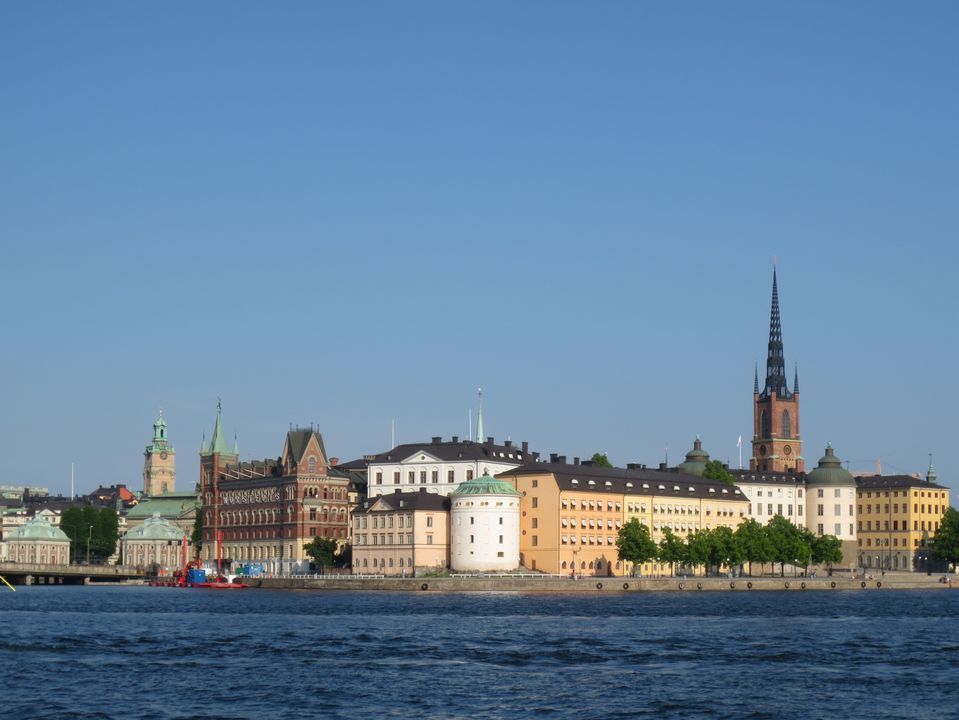
Fri 7th: I have spent the past day and a half off work with a cold, and although it is clearing, I still feel a bit under the weather. It's an early start and I am surprised by roadworks on the M4, which impose a 50mph speed limit for almost all of the journey to Heathrow. Fortunately we've allowed plenty of time. The self-service bag drop is an innovation and proves counterintuitive, as no peeling is required before fixing the baggage labels. As with all self-service options these days, staff are on hand to assist, perhaps a little patronisingly. The flight is smooth and the transfer to the hotel works as expected, with the small hiccup that the ticket machines for the Arlanda Express are reluctant to accept some cards. Once settled, we take advantage of the good weather to go for a walk around the old town, Gamla Stan.


Sat 8th: The forecast suggests a few good days, but less good by midweek, so we go to Drottningholm Palace. As well as the palace itself, we see the Chinese pavilion, the entertaining Guards' "tent", and the Palace Theatre.


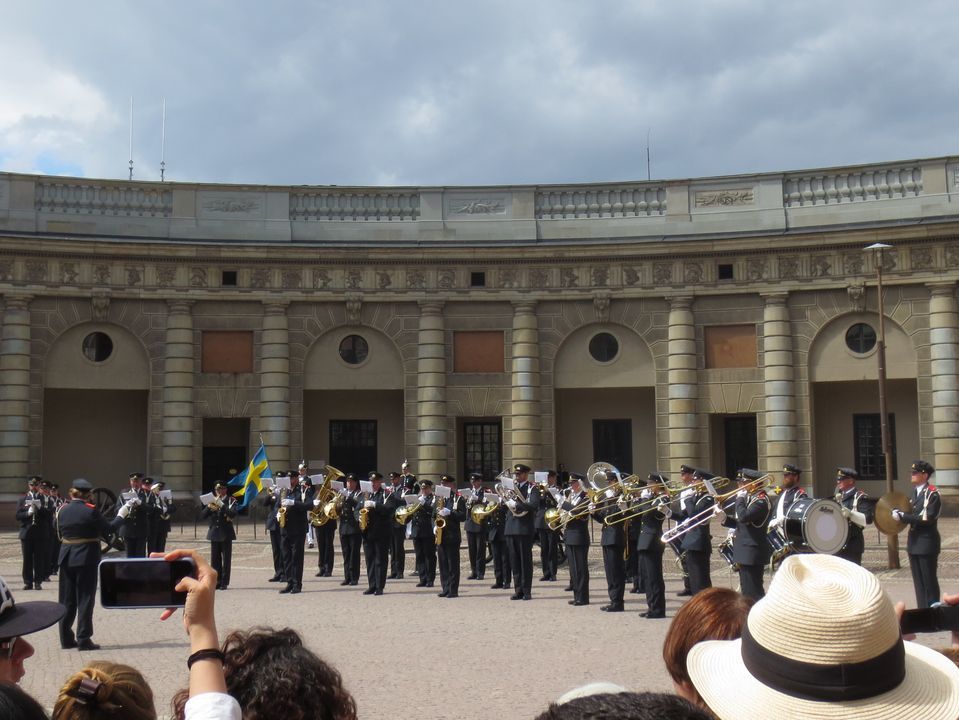
Sun 9th: We visit the Royal Palace; after lunch we catch the popular Changing of the Guard ceremony. They do like military bands in Sweden. In the afternoon we wander around Skeppsholmen and Kastellholmen, before taking in the Modernamuseet and ArkDes.


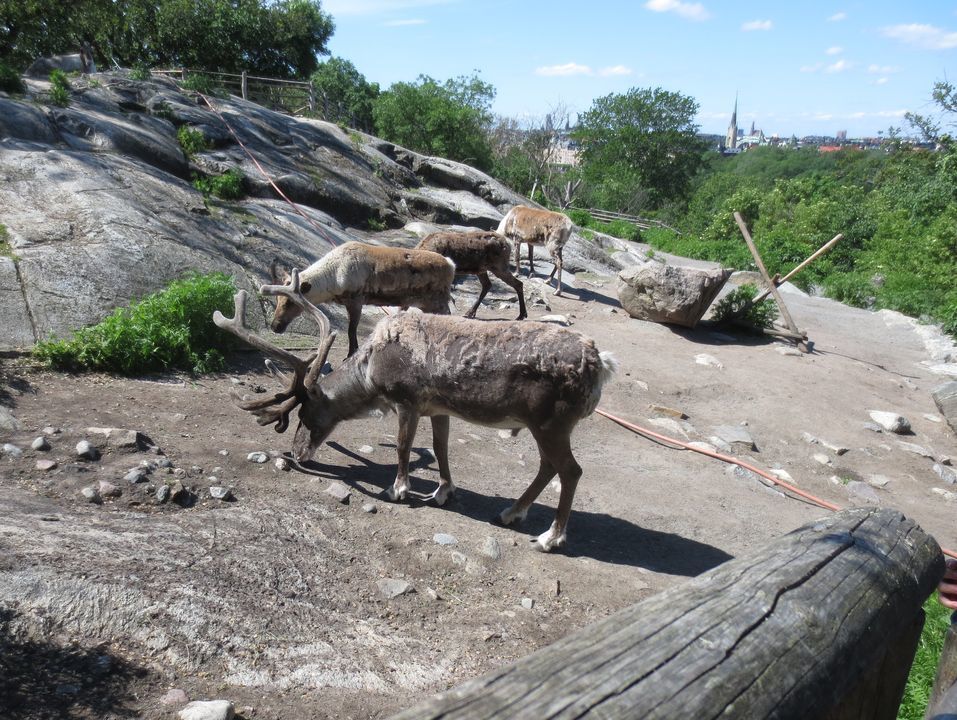
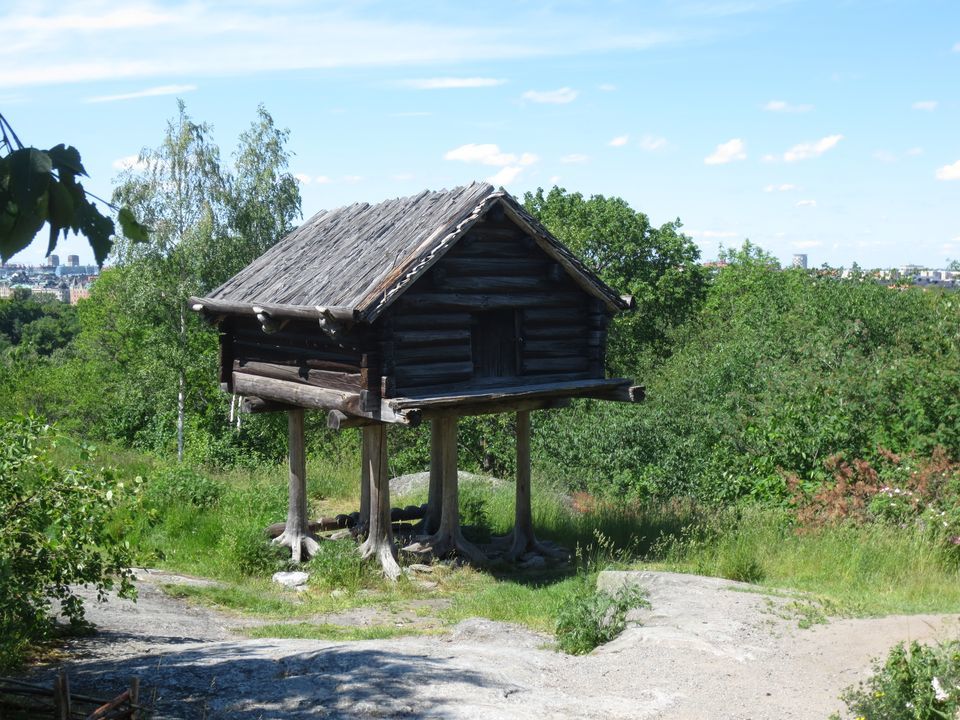
Mon 10th: Another good day, and, especially as many museums are closed, we head to the open-air Skansen park. In some ways it reminds me of Beamish open-air museum, and there is some common intent, but Skansen is older, more varied (taking in architectural examples from all over the country, including from Finnish and Sami communities), and incorporates an extensive Nordic animals section. I have mixed feelings about zoos, but this seems to work quite well as an educational as well as an entertaining experience. We see owls, bears, boar, moose, seals, reindeer and wolves, as well as domesticated animals.


Tues 11th: The weather is more cloudy, and we take a day trip to Uppsala, where we see the Linnaeus museum and the Gustavianum museum, with its impressive Augsburg cabinet and anatomical theatre.

Wed 12th: We're looking to get round the indoor options, so it's the Historiska museet in the morning, which proves quite interesting (especially the prehistory sections), and the Nationalmuseum (which is an art gallery) in the afternoon. Although there's the obligatory Canalettos, it contains mostly lesser-known artists. A couple of interesting Akseli Gallen-Kallela pieces appear in the later rooms.

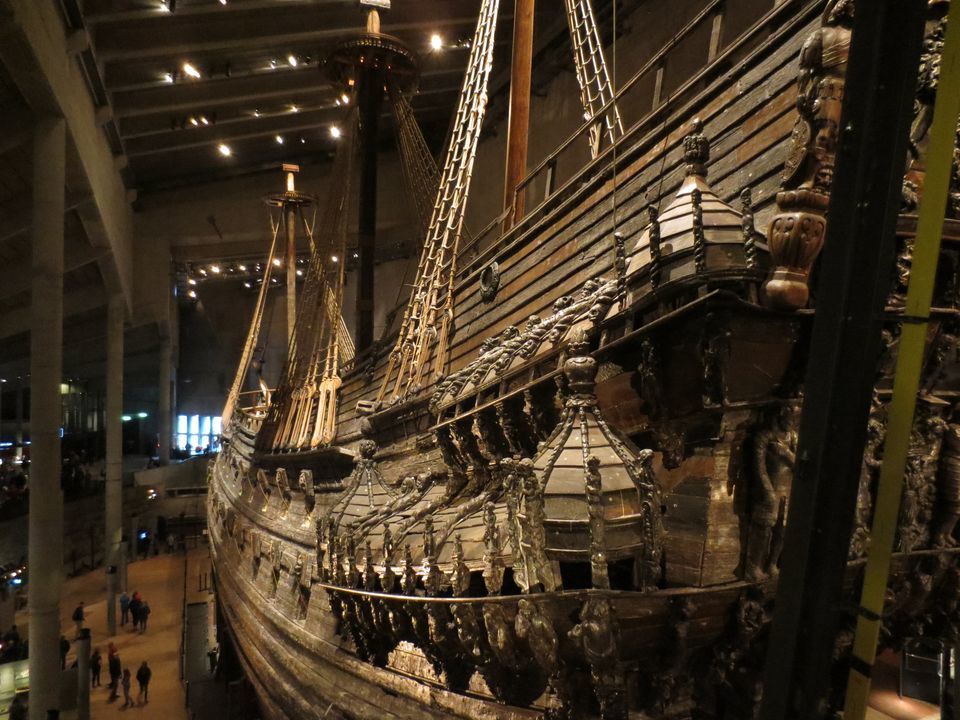
Thurs 13th: Weather-wise, this is the worst day by far. We start at the Vasamuseet, which houses the recovered wreck of the seventeenth century Vasa. I was anticipating something more dumbed-down and interactive, but it's much more impressive. In contrast, in the afternoon we visit the Nordiska museet, which isn't bad but is underwhelming in comparison, not really using its space all that well. Finally we explore the Prins Eugens Waldemarsudde museum; there's a temporary exhibition of paintings from Grez-sur-Loing and some intereating contemporary photography, but overall it's quite a small museum.


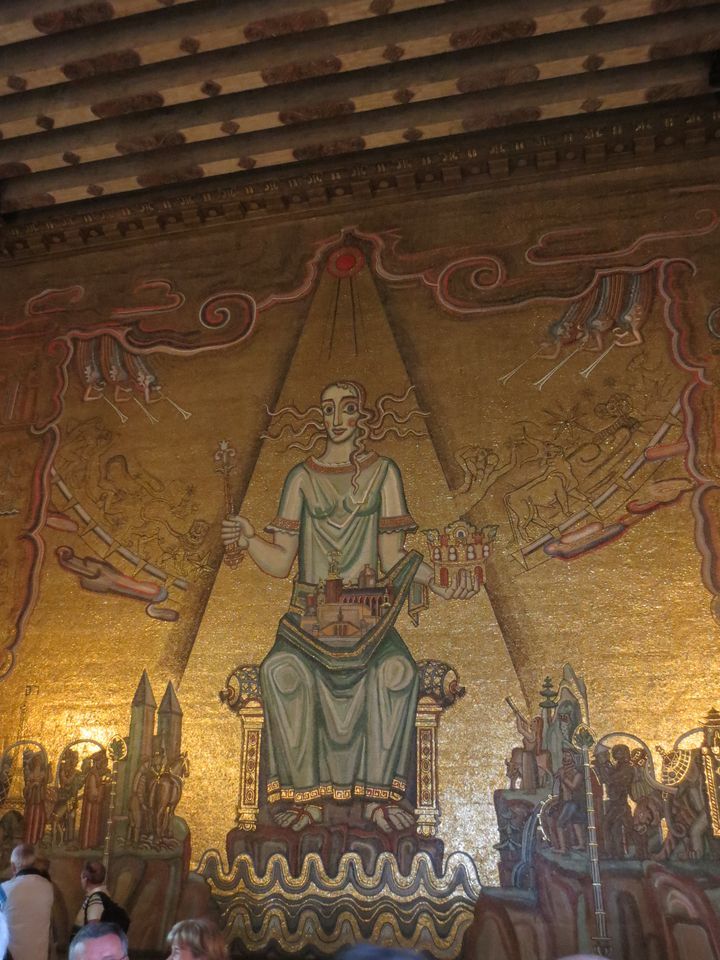
Fri 14th: The weather is indifferent and we start with a morning tour of the Stadshus, before heading on to Vaxholm, where we see the interesting Hembygdsgårds museum (in a couple of rooms attached to the cafe) before going on to the castle and defensive works. As we exit the castle exhibition, the weather has improved substantially and it's bright sunshine again.


Sat 15th: It's a time-filling last day, so we begin at the Rosendals Trädgård, before moving on to the well-stocked Medelhavsmuseet and finally the Strindberg Museum, before heading off to the airport. The flight departs slightly late yet arrives early, but there's an inordinate wait for the baggage to arrive, and in the end we're quite late back.

Overall, public transport was good and cheap; visitor attractions were priced comparably with London, and food and drink was expensive. We managed some good budget meals (Georgian, Swedish and Mexican); though not among the cheaper options, Pelikan and Magnus Ladulas were particularly good.
qatsi: (Default)
The end is nigh for 2018. The only thing that prevents a simple "Good riddance!" is the prospect of 2019 - let's face it, we're not going to be off to a great start given the political disarray prior to Christmas. Still, there have been some high points, so here's the best of the year for me:


Other highlights: (fiction) Two Cousins of Azov; (non-fiction) Come to Finland!; (music) the Tango Prom and the Estonian Festival Orchestra; (film) The Post; (museums and exhibitions) Goscinny at the Jewish Museum, the Ateneum in Helsinki, and the Latvian National Museum of Art in Riga.

No Food and Drink award this year, but special mentions for O'ver and Belgo Centraal, both in London.

It would appear that I predicted my demise at work in 2017's end-of-year post; disappointingly, that proved to be correct. So far, the new job has disappointed (and the Crossrail debacle doesn't help); there is scope for it to pick up in the New Year, but we shall have to wait and see. I don't think it would be good to move too quickly in the current circumstances. If there's no deal, then we shall all be "enjoying" our new "freedom" and blue passports from April; but, provided somebody does something at Westminster, it seems likely that things will drag on for some time yet.

Profile

qatsi: (Default)
qatsi

March 2026

S M T W T F S
123 4567
891011121314
15161718192021
22232425262728
293031    

Syndicate

RSS Atom

Most Popular Tags

Style Credit

Expand Cut Tags

No cut tags